






Recent escalations in tensions within west asia have reignited worries regarding the potential for conflict between the united states and iran, particularly aff
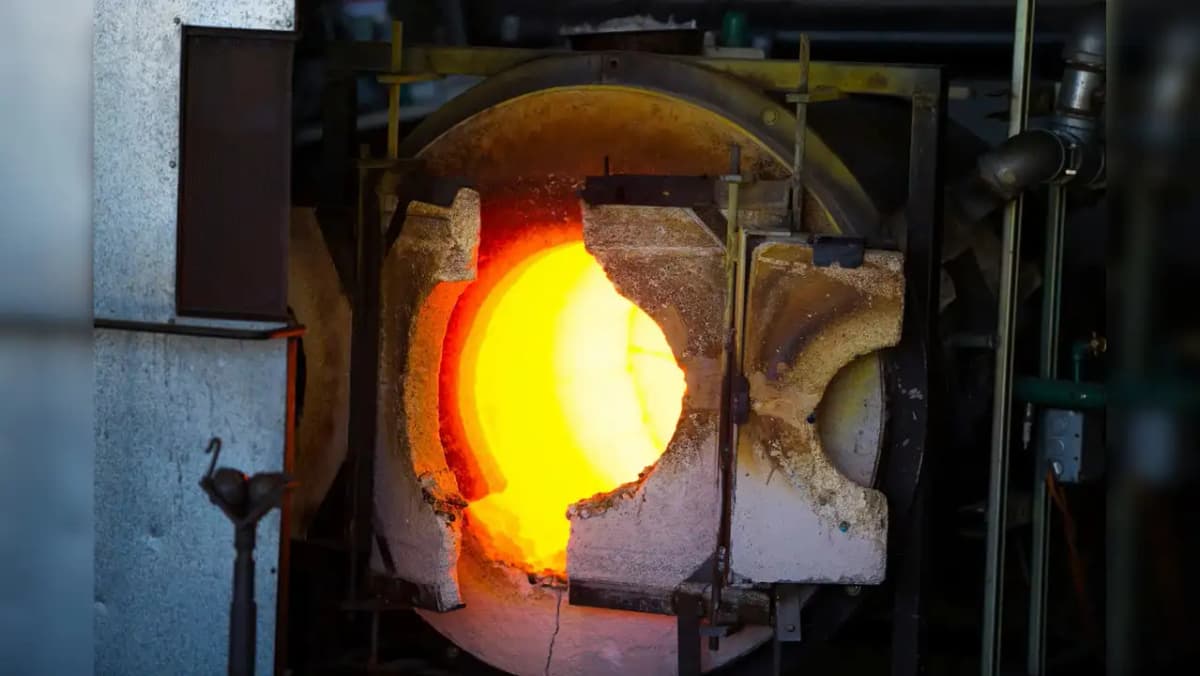
Recent escalations in tensions within West Asia have reignited worries regarding the potential for conflict between the United States and Iran, particularly affecting energy-dependent sectors. The glass manufacturing industry, which relies heavily on consistent furnace operations and stable fuel supplies, is particularly vulnerable. Experts in the field have expressed that the unpredictability of fuel supply poses a more significant threat than the rising costs associated with these tensions. Suraj Mehta, the Chief Strategy Officer of Hindusthan National Glass & Industries Limited, emphasized the importance of stability in fuel availability for the glass sector. He stated, 'For an energy-intensive industry like glass, it is not the conflict itself that hurts us the most, it is the uncertainty around it. We had just started to see gas and LPG supply stabilize after the earlier round of tension in West Asia, and this fresh escalation around the Strait of Hormuz puts us right back into a place where we cannot plan with any confidence.' Mehta's comments underline the critical nature of consistent fuel supply, especially as the festive season approaches, which typically sees a surge in demand for packaging across various sectors, including fast-moving consumer goods (FMCG), pharmaceuticals, and alcoholic beverages. The timing of these geopolitical tensions could not be worse for the industry, which is already grappling with the challenges of supply chain disruptions.
In light of these challenges, some industry experts are optimistic about India's strong diplomatic relationships with Gulf nations, which they believe have mitigated some of the adverse effects of these geopolitical tensions. Vinit Kapur, Secretary of The All India Glass Manufacturers' Federation, noted that while the glass industry remains susceptible to fluctuations in natural gas prices and logistics costs, the impact has been relatively manageable compared to other global markets. He remarked, 'We have witnessed logistics and input costs rise by nearly 10–15%, but the disruption has remained manageable compared to several global markets.' Kapur's insights highlight the importance of resilient manufacturing ecosystems in the face of ongoing geopolitical uncertainties. He also pointed out that these developments emphasize the urgency for the sector to reduce its reliance on conventional fuels and explore alternative energy solutions.

The glass manufacturing industry is currently engaging with the government and international technology partners to accelerate the adoption of innovative energy solutions, such as electric glass melting. However, this transition is not without its challenges, as it requires substantial investments, technological collaboration, and ongoing research and development efforts. Experts agree that fostering long-term energy resilience through innovation will be vital for enhancing India's manufacturing competitiveness while also aligning with sustainability goals. As the industry navigates these turbulent times, the focus remains on building a robust framework that can withstand external shocks and ensure a stable supply chain, ultimately leading to a more resilient future for the glass manufacturing sector in India.
Tragic Accident in Telangana: Man Killed by Speeding Car Captured on CCTV
Vedanta's Real Estate Demerger: Shareholder Benefits and Future Plans
Saudi Arabia's Economy Contracts 4.8% Amid Ongoing Regional Tensions
Foreigner Alleges Zomato Support Executive Misused Personal Contact Info
E20 Fuel Proven Safe for Over 230 Million Vehicles, Government Reports
Vedanta Reports 72% Surge in Q1 FY27 Net Profit to Rs 5,473 Crore
CBDT Launches New ITR Form for Block Assessment Taxpayers
Bengaluru Enforces Water Conservation Measures Amid Shortage
Bengaluru Faces 15-Hour Water Supply Disruption Tomorrow
Indian Stock Market Rises Despite Global Concerns; Sensex Gains 274 Points
India's Gold Demand Declines 6% in Q2 2026 Amid High Prices