







Tukaram Mundhe: The FDA Chief Revolutionizing Food Safety in Maharashtra
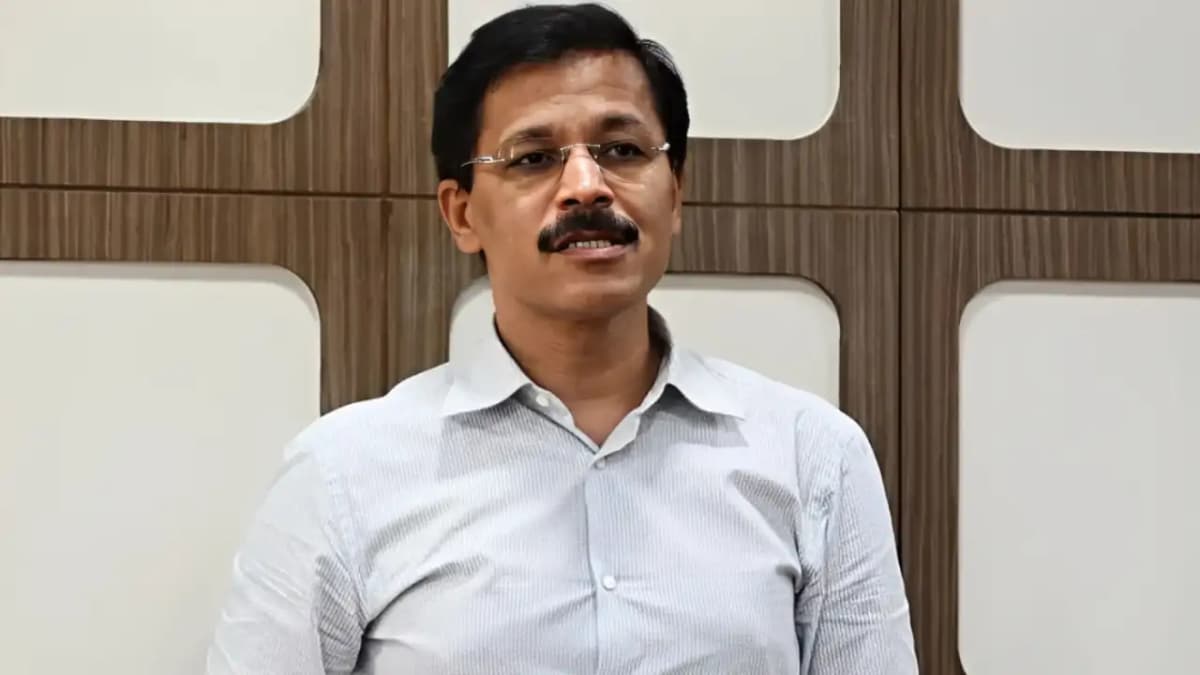
In the summer of 2026, maharashtra's food and drug administration (fda) witnessed a significant transformation shortly after tukaram mundhe assumed the role of
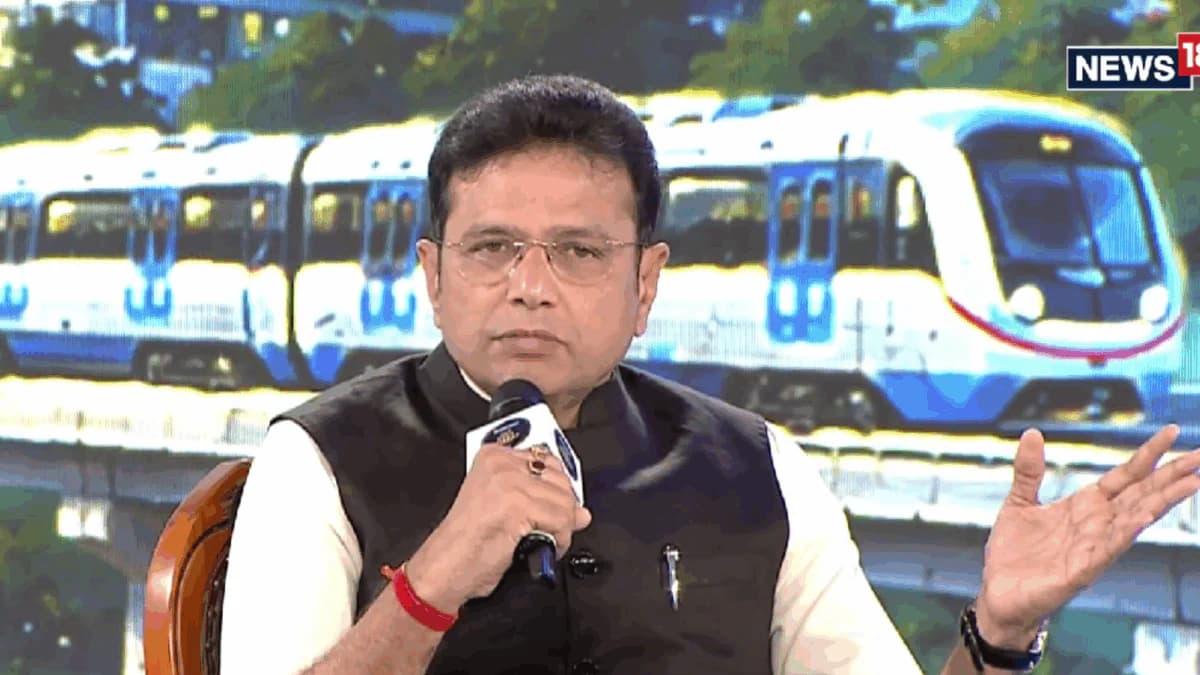
In the summer of 2026, Maharashtra's Food and Drug Administration (FDA) witnessed a significant transformation shortly after Tukaram Mundhe assumed the role of commissioner. This change became evident when the state's milk supply began to dwindle, as dairies, wholesalers, and traders became increasingly cautious of inspections. Mundhe interpreted this decline not as a setback but as an indication that his approach was effective. His reputation for instilling a sense of fear among those who compromise food safety has been a hallmark of his career. Born on June 3, 1975, in Tadsonna, a village in Beed district, Mundhe grew up in a farming family that faced considerable financial challenges. His educational journey began at a local government school before he moved to Aurangabad, where he earned a bachelor's degree in history and a master's in political science. In 2005, he successfully passed the highly competitive Union Public Service Commission examination, marking his entry into the Indian Administrative Service within the Maharashtra cadre. This journey from a struggling agricultural background to a prominent position in Indian administration is a testament to his determination and resilience.
Mundhe's career has been characterized by frequent transfers, with reports indicating that he has been reassigned twenty-five times over his twenty-one years of service. This frequency of movement has led to mixed interpretations of his career trajectory. Supporters view each transfer as a testament to his integrity and an indication of the challenges faced by an officer who refuses to yield to political and commercial pressures. Conversely, critics argue that his uncompromising nature fosters conflict wherever he serves. Regardless of the perspective, it is undeniable that Mundhe's steadfastness has kept him in the public eye. Prior to his focus on food safety, he made a name for himself in water conservation as the Collector of Solapur, where he actively participated in the Jalyukt Shivar initiative, earning him the nickname 'Water Man of Maharashtra.' His tenure as a municipal commissioner in various cities, including Navi Mumbai, Nashik, and Nagpur, further solidified his reputation for enhancing civic administration and enforcing tax compliance. This blend of governance has garnered admiration from the public while simultaneously drawing the ire of those with vested interests.