






Sajjan Jindal's Vision for India's Industrial Future
India's aspiration to emerge as a global manufacturing leader hinges on robust industrial foundations, encompassing vital sectors like steel, energy, infrastruc
India's aspiration to emerge as a global manufacturing leader hinges on robust industrial foundations, encompassing vital sectors like steel, energy, infrastructure, and logistics. One of the most prominent figures in this transformative journey is Sajjan Jindal, the Chairman of the JSW Group. Over the last thirty years, Jindal has played a pivotal role in evolving the JSW Group from a steel manufacturing entity into a multifaceted industrial powerhouse, significantly contributing to India's developmental narrative. His strategic investments span various sectors, including manufacturing, energy, and infrastructure, all aimed at bolstering the nation's growth. The group's expansion reflects a steadfast commitment to laying the groundwork necessary for India's advancement, with steel plants supporting critical nation-building initiatives and energy assets enhancing connectivity through logistics networks.
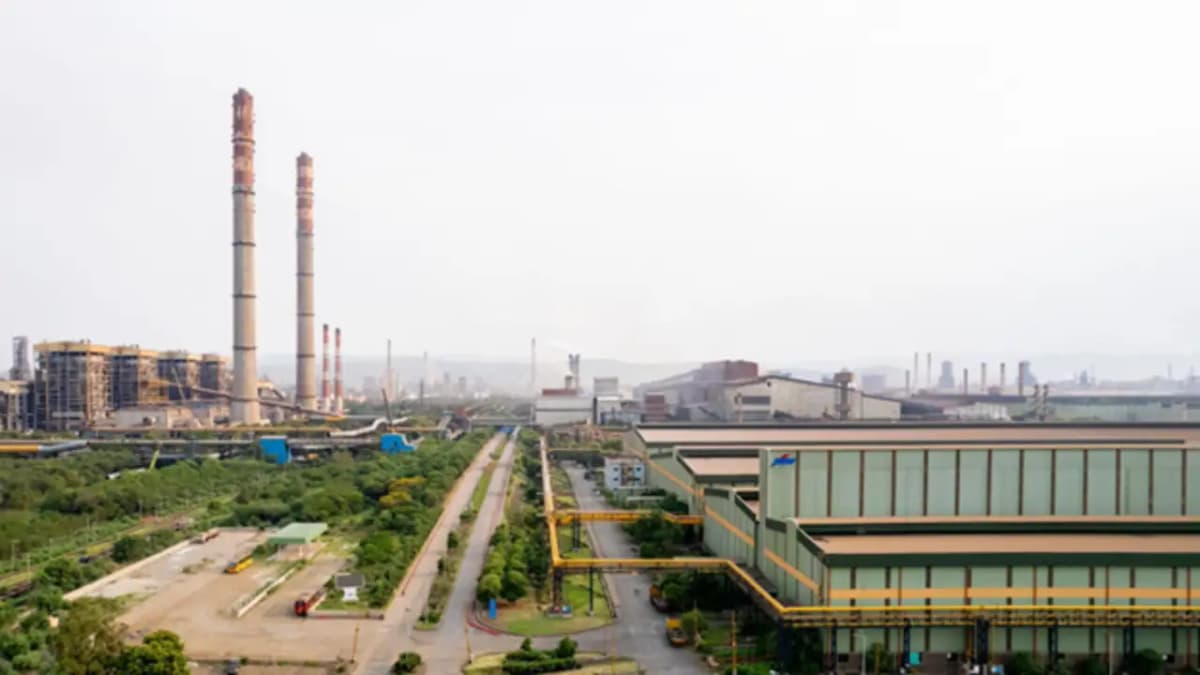
For Jindal, manufacturing transcends mere industrial activity; it represents a strategic asset essential for economic growth, job creation, and enhancing national competitiveness. As India strives to solidify its status as a global manufacturing hub, the expansion of domestic industrial capabilities becomes increasingly vital. This vision is exemplified by JSW Steel's Vijayanagar Works in Karnataka, which boasts a crude steel production capacity of 17.5 million tonnes per annum (MTPA), making it the largest single-location steel manufacturing facility in India. Additionally, the Dolvi plant in Maharashtra is on track to ramp up its production capacity to 15 MTPA by the fiscal year 2028. With an ambitious goal of achieving a total steel production capacity of 50 MTPA by 2031, JSW Steel is proactively investing to meet the future demands of infrastructure, transportation, and energy, ensuring that the steel required for highways, railways, and urban development is increasingly sourced from within the country.