








Government Confirms Polymer Notes Will Not Replace Paper Currency
The indian government has recently approved the reserve bank of india's (rbi) initiative to introduce polymer banknotes in denominations of rs 10 and rs 20. thi
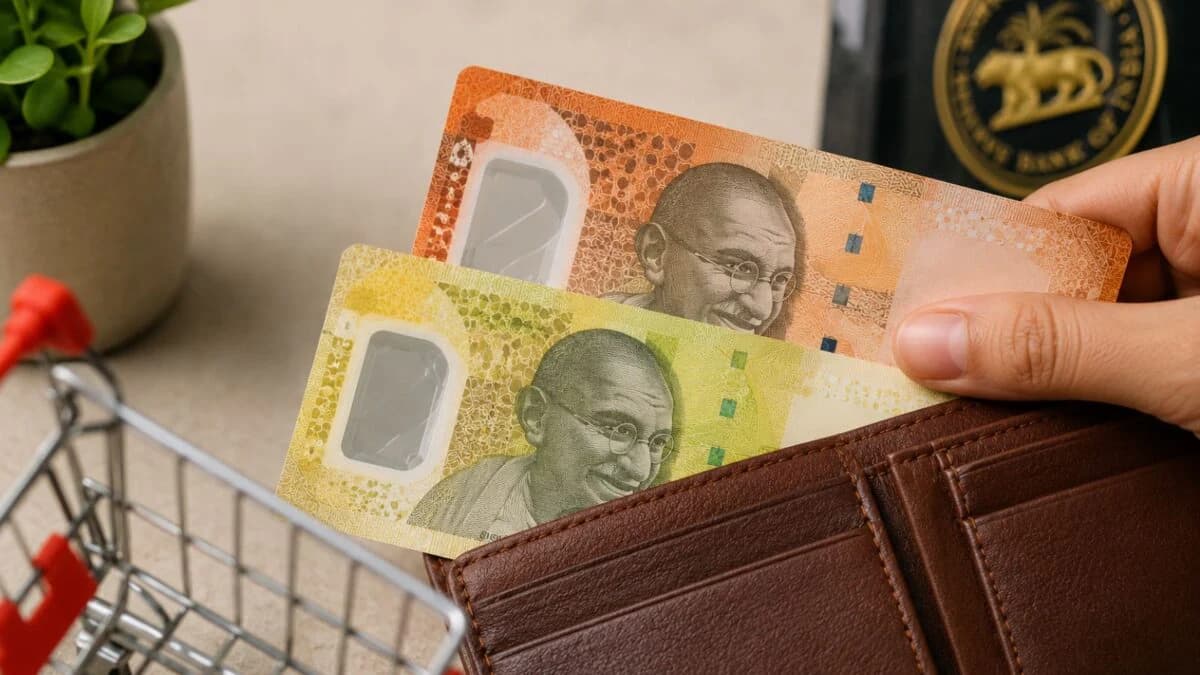
The Indian government has recently approved the Reserve Bank of India's (RBI) initiative to introduce polymer banknotes in denominations of Rs 10 and Rs 20. This decision has sparked curiosity among the public regarding the future of paper currency in the country. However, officials have made it clear that there are no plans to completely replace traditional paper notes with polymer alternatives. Instead, the polymer notes will be introduced on a trial basis, alongside existing paper currency. Minister of State for Finance Pankaj Chaudhary addressed the Lok Sabha on July 27, 2026, stating that the RBI's proposal is to issue polymer banknotes while continuing to circulate paper-based notes. This clarification aims to alleviate any concerns about a potential shift away from paper currency.
The introduction of polymer banknotes is based on recommendations from the RBI's Central Board, which has proposed the issuance of one billion notes in each of the specified denominations for testing purposes. Chaudhary emphasized that these polymer notes are designed to be more durable than their paper counterparts, as they are less susceptible to moisture, dirt, and physical damage. The RBI has cited international research indicating that polymer banknotes have a significantly longer lifespan, which could lead to lower replacement costs in the long run. This durability factor is a key advantage that the government hopes will enhance the overall efficiency of the currency system in India.