










Understanding the Fine Line Between Dissent and Anarchy in Protests
The indian constitution guarantees citizens the right to assemble peacefully and express dissent, as outlined in article 19(1)(b) and (c). this fundamental righ
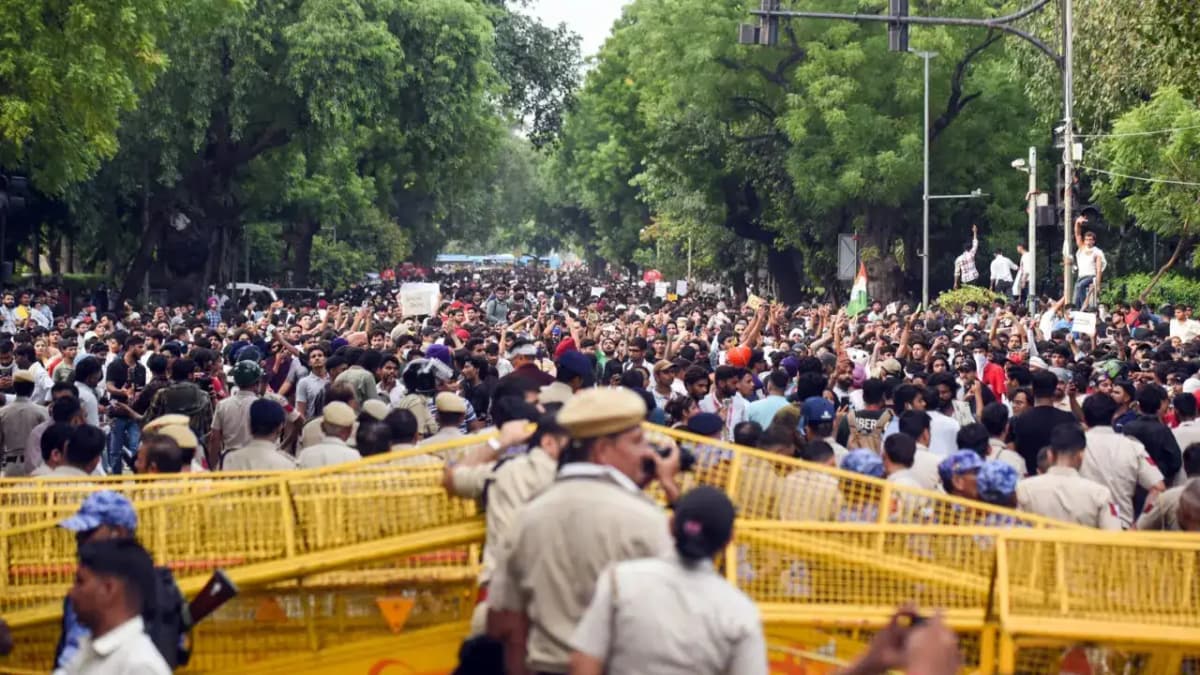
The Indian Constitution guarantees citizens the right to assemble peacefully and express dissent, as outlined in Article 19(1)(b) and (c). This fundamental right is a cornerstone of democracy, emphasizing that dissent is not synonymous with being anti-national; rather, it is crucial for ensuring accountability within the government. However, this right is not without limitations. There exists a delicate balance between legitimate dissent and actions that could lead to anarchy. Under Article 19(3), free speech and dissent are subject to reasonable restrictions aimed at maintaining public order, sovereignty, and the integrity of the nation. An assembly of more than five individuals with the intent to commit an offense and resist law enforcement is classified as unlawful. When protests turn violent—manifesting as rioting, stone-pelting, vandalism, or assaults on law enforcement—they lose the protection afforded to peaceful dissent and become criminal acts. In sensitive areas, such as those near the Parliament, prior permissions are often mandated for large gatherings. Marching without authorization or violating security measures constitutes a breach of the law. Initially, the events organized by the Citizens for Justice and Peace (CJP) at Jantar Mantar adhered to permitted and largely peaceful guidelines. The police presence was significant, yet they allowed the sit-in to continue, and the organizers claimed success without any major incidents during the early stages. However, the situation escalated dramatically during the indefinite sit-in and particularly during the