


Political Turmoil in Rajya Sabha Over Kharge's Manusmriti Comments
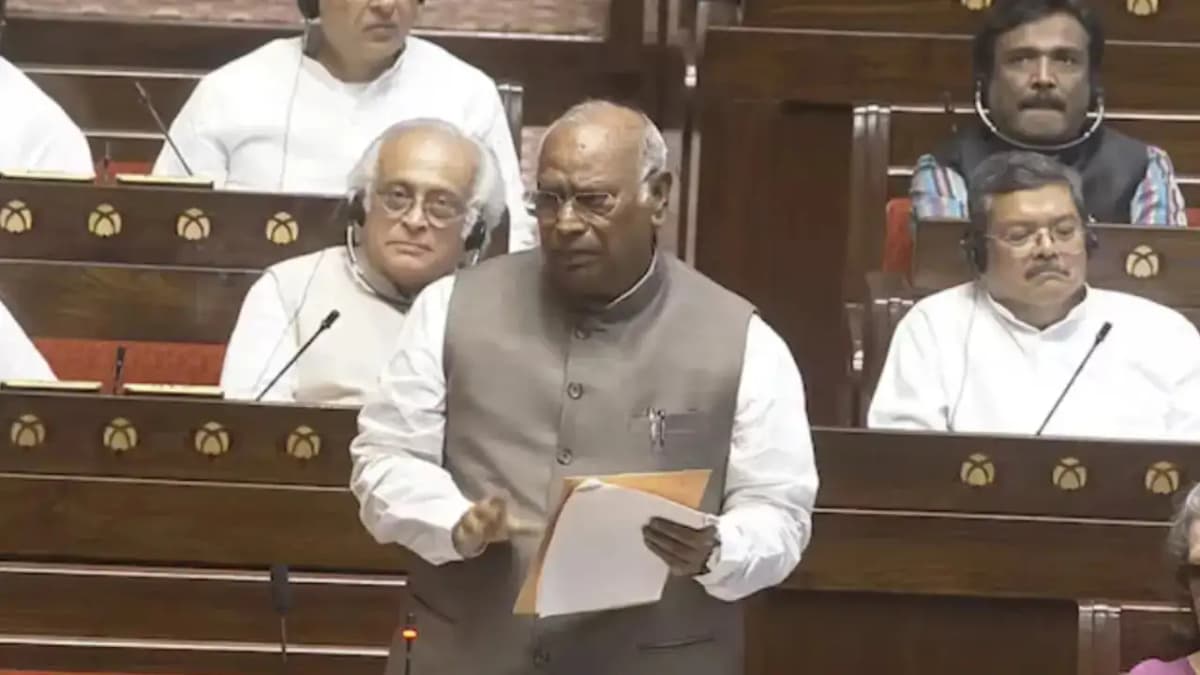
A significant political uproar unfolded in the rajya sabha on thursday, ignited by remarks made by mallikarjun kharge, the leader of the opposition, regarding t
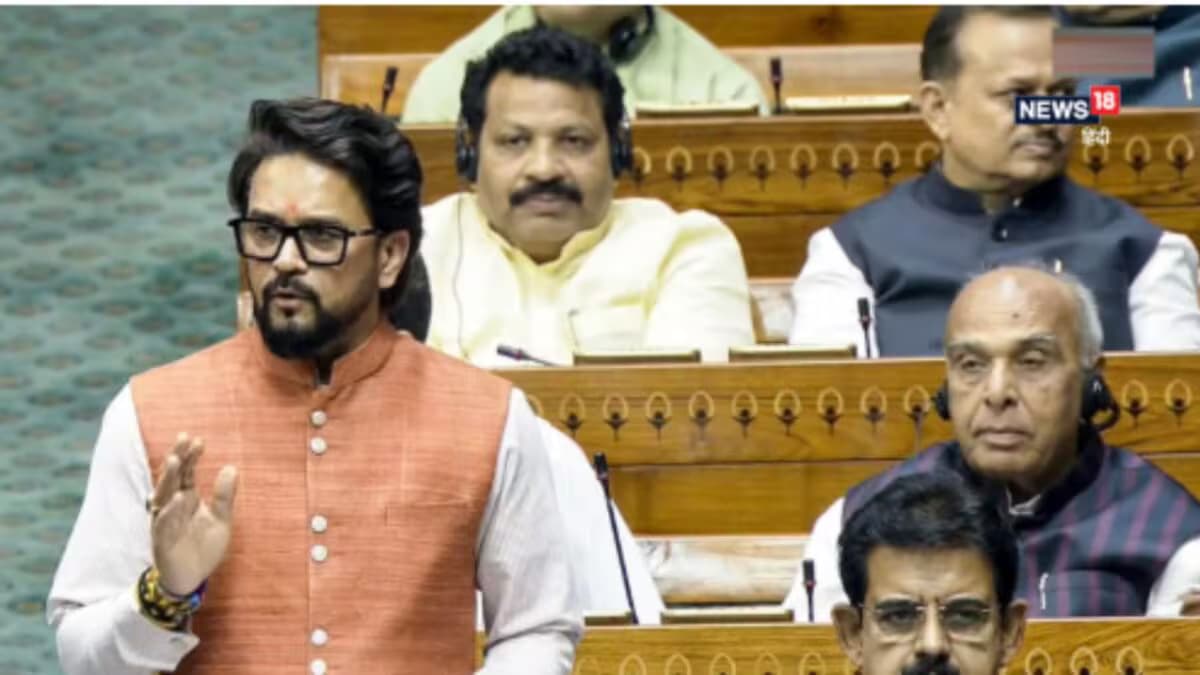
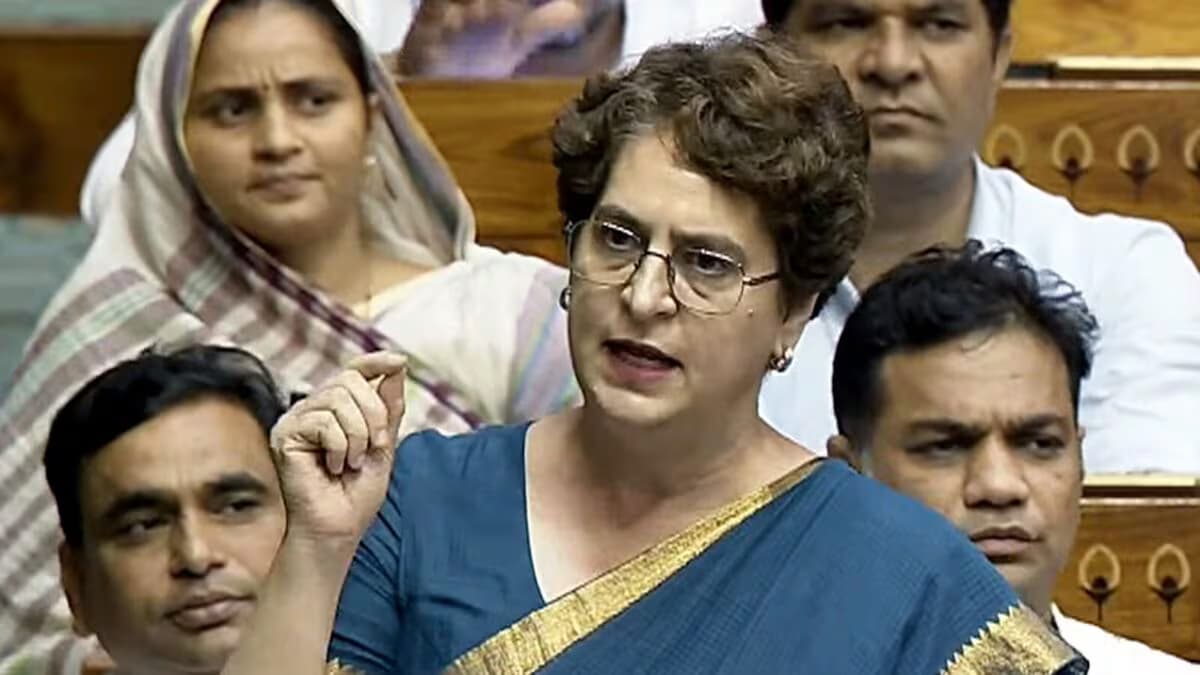
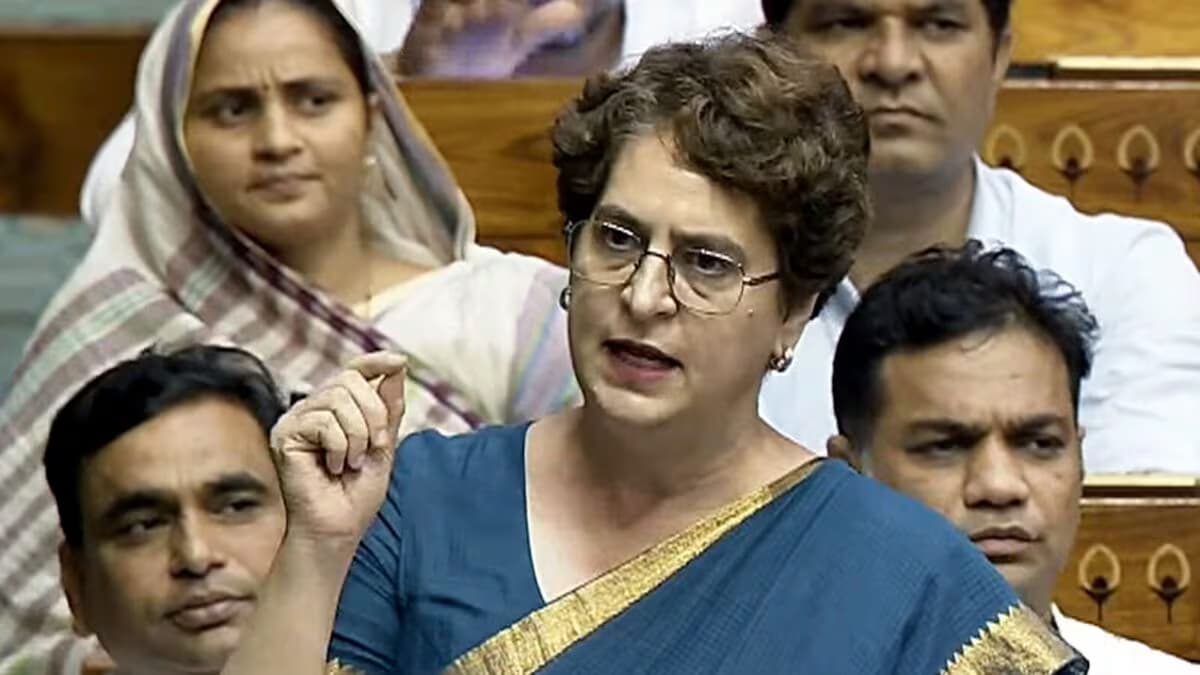
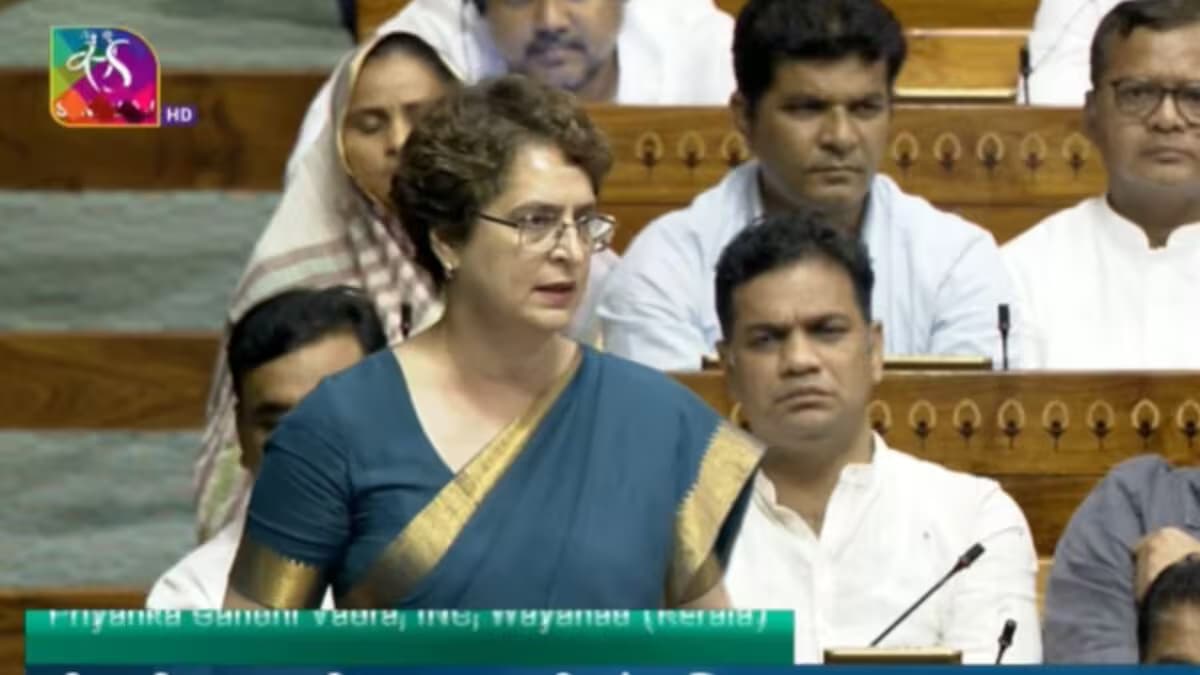
A significant political uproar unfolded in the Rajya Sabha on Thursday, ignited by remarks made by Mallikarjun Kharge, the Leader of the Opposition, regarding the ancient text 'Manusmriti'. This incident led to a heated exchange between the government and the opposition during a session focused on the Anti-Paper Leak Bill. As Kharge addressed the assembly, he unexpectedly quoted lines from the Manusmriti, which provoked a strong reaction from members of the ruling party. Union Minister JP Nadda quickly objected to Kharge's comments, urging the Speaker to remove them from the official record, claiming they could incite violence within society. Nadda challenged Kharge to substantiate his statements with the original text, labeling them as unfounded and inappropriate. The government, standing firmly against Kharge's assertions, called for an apology from the Congress leader, emphasizing the need for a constructive dialogue in light of the current discussions on paper leak issues. The Speaker of the Rajya Sabha intervened, reminding the members that the focus should remain on the pressing matter at hand rather than personal attacks.
The altercation highlighted the ongoing tensions between the opposition and the government during the current Monsoon Session of Parliament, which has already seen its share of confrontations. The incident followed the introduction of the Public Examinations (Prevention of Unfair Means) Amendment Bill by Union Minister Jitendra Singh, which had recently passed in the Lok Sabha after a thorough debate. Kharge criticized the government's approach to addressing the issue of paper leaks, pointing out that many innocent individuals have suffered due to such incidents. He expressed skepticism about the effectiveness of the new bill, suggesting that it was merely a superficial response aimed at placating the youth who have been protesting in the streets. Kharge argued that despite the bill's provisions for hefty fines, strict penalties, the establishment of a special task force, and the creation of fast-track courts, these measures alone would not bring about meaningful change.