











Unraveling Transmissible Cancer: A Surprising Catfish Discovery Raises Questions
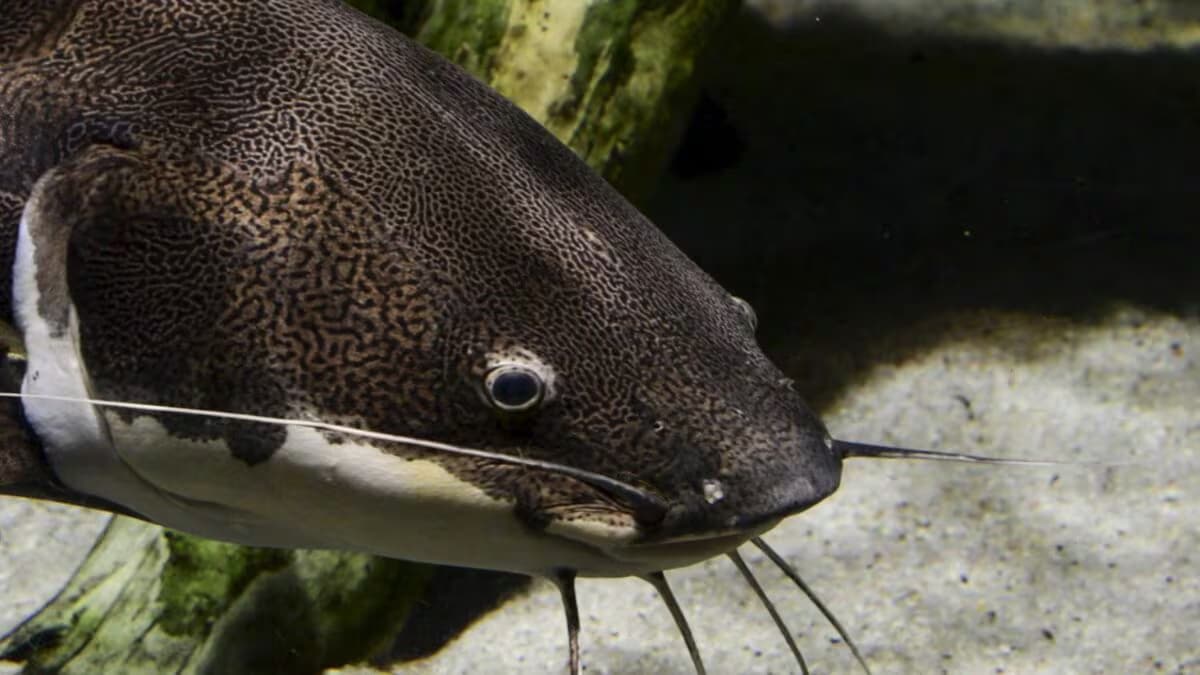
Cancer is a formidable disease that affects countless lives globally, but a recent discovery has introduced a fascinating twist to our understanding of this ill
Cancer is a formidable disease that affects countless lives globally, but a recent discovery has introduced a fascinating twist to our understanding of this illness. Researchers have confirmed the existence of transmissible cancer in a species of freshwater fish known as the brown bullhead catfish. This groundbreaking finding emerged from an investigation into unusual black skin tumors observed in fish from Lake Memphremagog, which straddles the US-Canada border. The research, published in the esteemed journal Nature, sheds light on a rare biological phenomenon where cancer cells can transfer from one individual to another, a process that has only been documented in a limited number of animal species. This revelation not only expands the known instances of transmissible cancer but also raises intriguing questions about the mechanisms behind this rare occurrence.
The phenomenon of transmissible cancer is not entirely new; it has been previously documented in a few select animals, including Tasmanian devils, dogs, and certain shellfish. However, the identification of this cancer in a freshwater fish marks a significant milestone in cancer research. Experts emphasize that while the concept of transmissible cancer may sound alarming, it is crucial to clarify that human cancers do not spread through casual contact. Unlike infectious diseases, cancer cells do not transfer through actions such as hugging, sharing food, or other forms of close interaction. Instead, most cancers arise from genetic mutations within an individual's own cells, leading to uncontrolled growth that remains confined to that person’s body, even if it metastasizes internally.