











Understanding Prebiotics and Probiotics: Key Differences for Gut Health
In recent years, the terms prebiotics and probiotics have gained significant traction in discussions about health and wellness, particularly in relation to gut
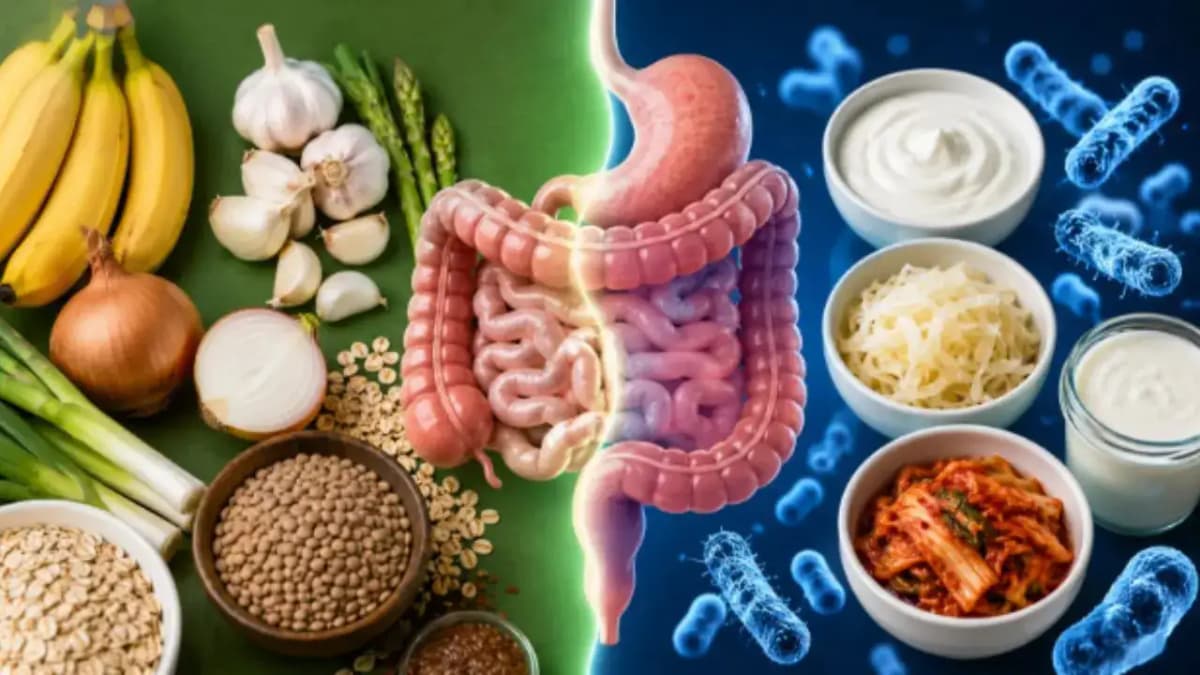
In recent years, the terms prebiotics and probiotics have gained significant traction in discussions about health and wellness, particularly in relation to gut health. Supermarkets are now filled with various products that claim to enhance digestion and boost immunity, but many individuals mistakenly believe that prebiotics and probiotics serve the same purpose. Gastroenterologists emphasize that while both are essential for maintaining a healthy gut microbiome, their functions are distinctly different. Probiotics are live microorganisms that can provide health benefits by maintaining or restoring the natural balance of bacteria in the digestive system. These beneficial bacteria are commonly found in fermented foods such as yogurt, kefir, kimchi, and sauerkraut, as well as in dietary supplements. Dr. Lokesh C.R., a Senior Consultant in Gastroenterology at HOSMAT Hospitals, notes that when consumed in appropriate amounts, probiotics can positively influence gut flora in certain individuals. He explains that specific strains of probiotics have been researched for their effectiveness in treating conditions like antibiotic-associated diarrhea, irritable bowel syndrome (IBS), and some inflammatory bowel diseases. However, he cautions that not all probiotics are effective for every condition and that their benefits can vary based on the individual's health status and the specific strain used.
On the other hand, prebiotics are non-digestible fibers that serve as nourishment for the beneficial bacteria already present in the gut. Since these fibers cannot be broken down by the body, they travel to the large intestine, where they become food for healthy gut microbes. Foods rich in prebiotics include garlic, onions, bananas, oats, lentils, legumes, and whole grains. A diet abundant in these foods can help beneficial bacteria flourish, ultimately leading to improved digestive health over time. Dr. Venkatesh Reddy Raya, a Consultant Gastroenterologist and Hepatologist at Arete Hospitals, describes the gut as an ecosystem where probiotics introduce beneficial microorganisms, while prebiotics provide the necessary nourishment for existing bacteria to thrive. For most healthy individuals, doctors suggest that a balanced diet containing both prebiotics and probiotics can be achieved through natural food sources, eliminating the need for supplements. While supplements can be beneficial in certain cases, they are not universally effective. The success of probiotic supplements is contingent upon the specific bacterial strain, the dosage, and the medical condition being treated. Additionally, increasing prebiotic fiber intake too rapidly can lead to digestive discomfort, such as bloating and gas, particularly in those with sensitive stomachs.