








India's Heart Transplant Crisis: Only 0.2% Demand Met, Study Reveals
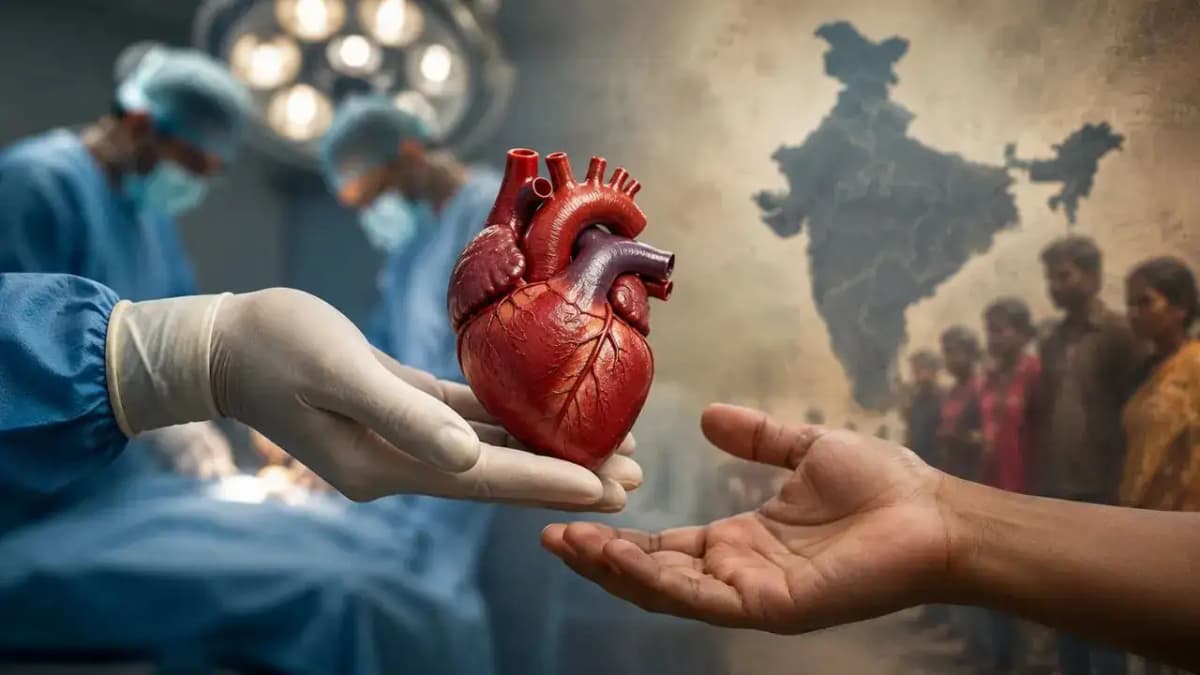
A recent study published in the lancet regional health - southeast asia has highlighted a significant shortfall in india's organ transplant capabilities, reveal
A recent study published in The Lancet Regional Health - Southeast Asia has highlighted a significant shortfall in India's organ transplant capabilities, revealing that the nation is currently meeting a mere 0.2% of the demand for heart transplants. Despite having one of the largest transplant programs globally, the infrastructure for organ donation and transplantation in India remains severely inadequate, leaving countless patients without the necessary access to life-saving procedures. This alarming statistic underscores a broader issue within the healthcare system, as the country grapples with an increasing number of patients requiring organ transplants due to chronic diseases and an aging population.
The study indicates that the demand for organ transplants in India is expected to escalate dramatically in the coming years. Projections suggest that by 2040, the country will require approximately 143,722 kidney transplants, 210,649 liver transplants, 95,711 heart transplants, and 12,846 lung transplants annually. The researchers have warned that without substantial reforms to the healthcare system, India will face significant challenges in meeting these growing needs. The findings also reveal a stark disparity in the distribution of transplant services across the country, with five states—Tamil Nadu, Delhi-NCR, Kerala, Maharashtra, and Telangana—accounting for a disproportionate percentage of organ transplants, despite representing only about 29% of the national population. Kerala stands out with the highest kidney transplant rate at 31.1 per million people, while other regions, such as Uttar Pradesh and Bihar, have performed significantly fewer transplants, highlighting the inequality in access to these critical services.