





Supreme Court Clarifies Liability in Lift Accidents: Landmark Ruling Explained
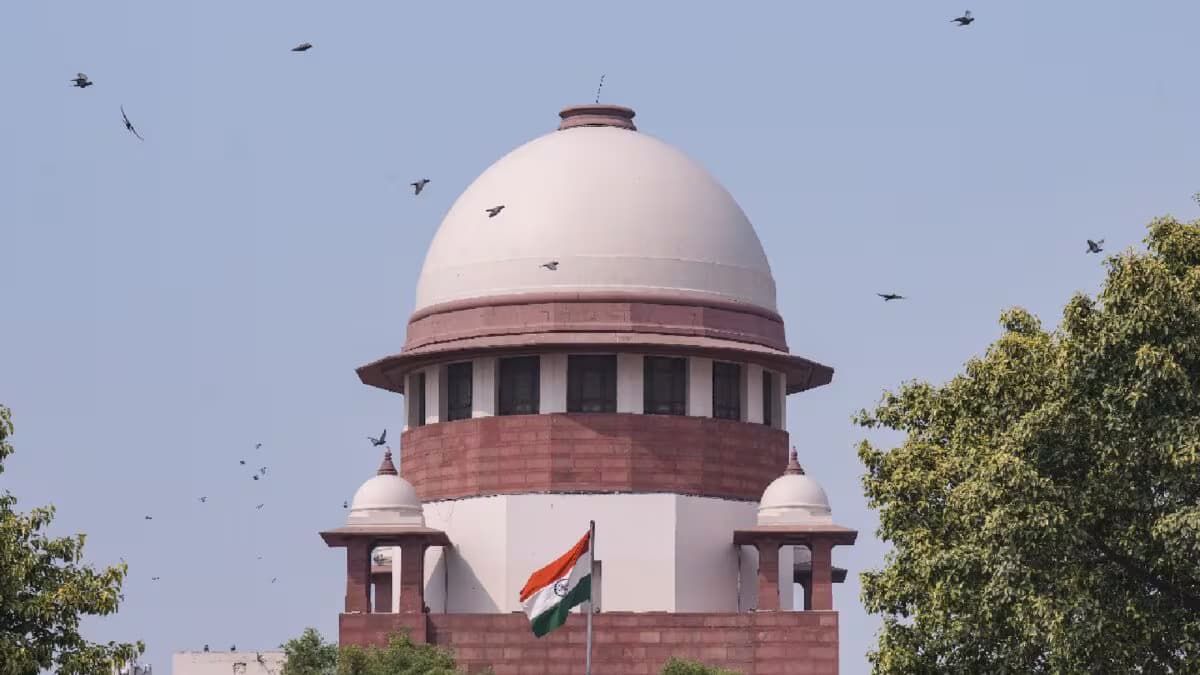
In a significant ruling, the supreme court of india has clarified the distribution of responsibility in lift-related accidents, establishing that liability does
In a significant ruling, the Supreme Court of India has clarified the distribution of responsibility in lift-related accidents, establishing that liability does not fall on a single party. Instead, it is shared among the lift manufacturer, the maintenance service provider, and the building owner. This landmark decision arose from a tragic incident that occurred in 2003 at the headquarters of the Research and Analysis Wing (R&AW), where a diplomat named Vipin Handa lost his life due to a malfunctioning elevator. The court's ruling emphasizes that elevators should be viewed as 'common carriers', akin to public transportation, thereby placing a heightened duty of care on all involved parties. The justices highlighted that once individuals enter a lift, they relinquish control and depend entirely on the system for their safety, underscoring the importance of reliability in these essential urban fixtures.
The Supreme Court's verdict was delivered by a bench comprising Justices PS Narasimha and Alok Aradhe, which upheld a prior decision made by the National Consumer Disputes Redressal Commission (NCDRC) in 2014. The apex court rejected an appeal from Otis Elevator Company (India) Ltd, affirming the NCDRC's ruling that mandated compensation of Rs 3.01 crore for Handa's family. In addition to the compensation, the court ordered that interest be paid at a rate of 9 percent annually from the date of the incident, increasing to 12 percent if the payment is delayed beyond 90 days. The court also directed the NCDRC to ensure that these orders are complied with, reinforcing the accountability of all parties involved in lift maintenance and operation.