








Raja Ramanna: The Indian Scientist Who Resisted Saddam Hussein's Offer
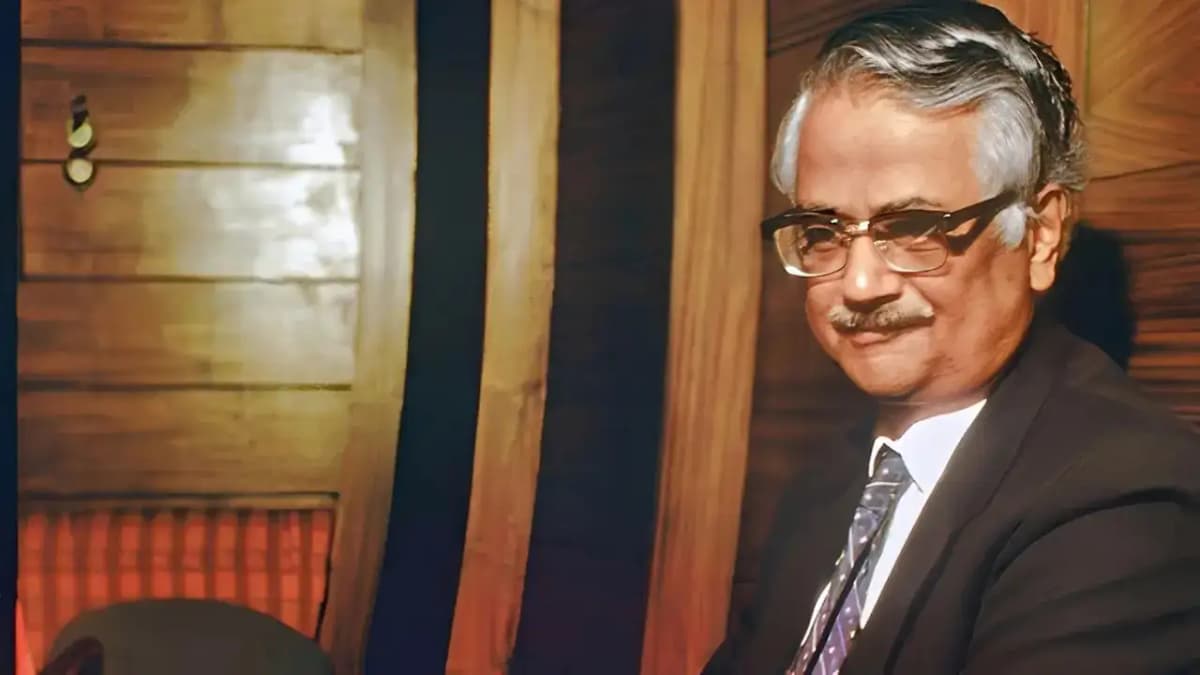
In 1978, a pivotal moment unfolded in baghdad when raja ramanna, an esteemed indian physicist, was presented with an extraordinary proposition by saddam hussein
In 1978, a pivotal moment unfolded in Baghdad when Raja Ramanna, an esteemed Indian physicist, was presented with an extraordinary proposition by Saddam Hussein, the then-powerful leader of Iraq. This offer came after Ramanna had gained international recognition for his role in India's first nuclear test four years earlier. Hussein, eager to bolster Iraq's nuclear ambitions, invited Ramanna to oversee the country's nuclear program, promising him a blank check to name his price. However, rather than feeling flattered by such an enticing offer, Ramanna was gripped by fear and uncertainty. The prospect of being in the presence of one of the world's most notorious figures left him anxious about his safety and freedom. After a night of restless contemplation, he made the decision to leave Iraq, boarding the first flight back to India, where he felt a sense of belonging and purpose.
Raja Ramanna was born in 1925 in Tiptur, a small town in Karnataka, India. He hailed from a cultured Kannada family and was not only an exceptional student but also a talented pianist trained in Western classical music. This passion for music played a significant role in shaping his scientific career. In 1944, while studying abroad, he met Homi Bhabha, a prominent Indian scientist and the architect of India's atomic energy program. Their shared love for music forged a strong bond, leading Ramanna to pursue a career in physics. Following Bhabha's untimely death in 1966, Ramanna took on the mantle of advancing India's nuclear program, demonstrating remarkable leadership skills by assembling and guiding teams of top scientists towards a common objective.