


Kashmiri Woman's Journey to Rehabilitation After Pellet Gun Injury
The recent protests at jantar mantar have reignited discussions surrounding the use of pellet guns by law enforcement, bringing renewed focus to the plight of i
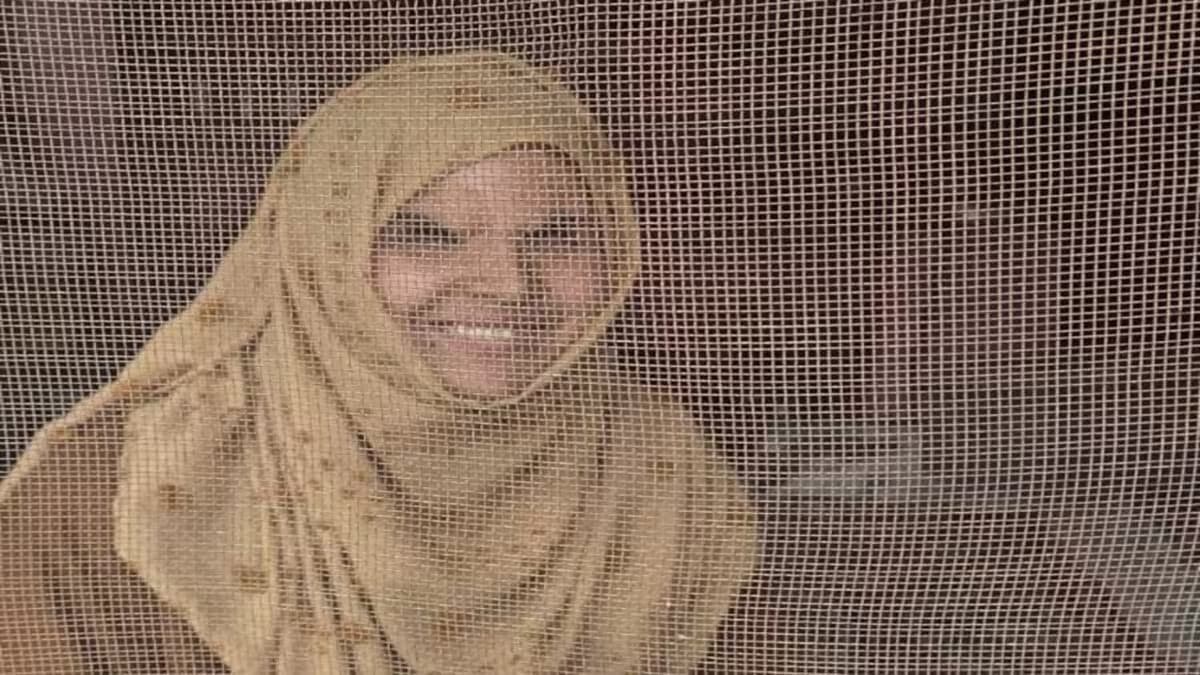
The recent protests at Jantar Mantar have reignited discussions surrounding the use of pellet guns by law enforcement, bringing renewed focus to the plight of individuals affected by this controversial crowd-control method. Among those whose stories have resurfaced is Insha Mushtaq, a 24-year-old woman from Sedow village in Shopian, Kashmir. Insha's life took a tragic turn at the tender age of 14 when she was struck in the face by pellets during the unrest in Kashmir in 2016, resulting in her immediate blindness. Her story has become a poignant symbol of the severe human toll inflicted by pellet guns, which have left countless individuals injured, with many suffering from partial or total vision loss.
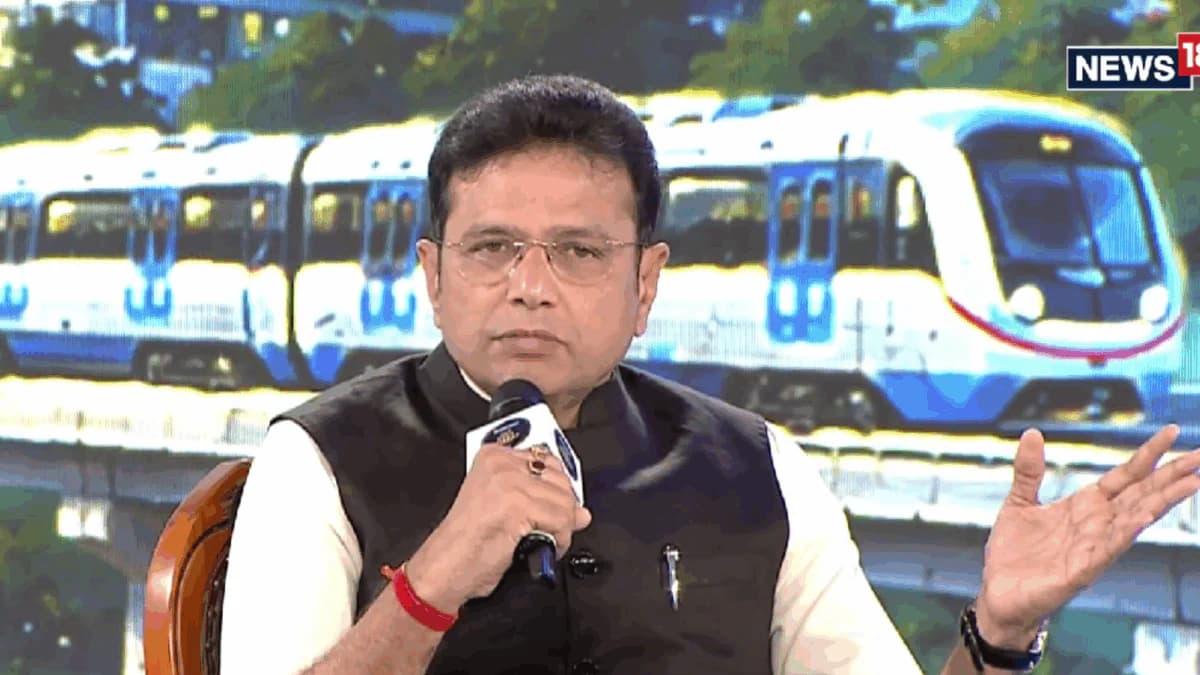
Insha's journey toward rehabilitation has been long and arduous, marked by a wait for support that seemed never-ending. The recent protests have not only reignited public interest in her case but have also prompted the Jammu and Kashmir government to take action. On Thursday, officials announced the release of ₹41.16 lakh to finalize an LPG distributorship project that was initially sanctioned to Insha in 2018 but had remained incomplete due to a lack of funding. Jammu and Kashmir's Minister for Food, Civil Supplies and Consumer Affairs, Satish Sharma, took to social media platform X to share the news, emphasizing that while justice may have been delayed, it was not denied. The announcement has brought a mix of emotions for Insha, who expressed her feelings of both happiness and sadness, reflecting on the struggles she faced over the years to secure her rightful support.

Insha's story is not just about her personal journey; it serves as a broader appeal for the rights and rehabilitation of all victims of pellet gun injuries. She has called upon Jammu and Kashmir's Lieutenant Governor Manoj Sinha and Chief Minister Omar Abdullah to ensure that others who have suffered similar fates receive the necessary assistance to rebuild their lives. Insha firmly believes that no one, irrespective of their background or beliefs, should endure the pain and suffering she has experienced. Her plea highlights the urgent need for comprehensive support systems for those affected by such injuries, advocating for opportunities that allow them to live with dignity and security. The government's recent decision represents a significant step toward fulfilling this promise, offering Insha a chance at a stable future after years of hardship and resilience.