











Understanding Proof of Indian Citizenship: Key Documents Explained
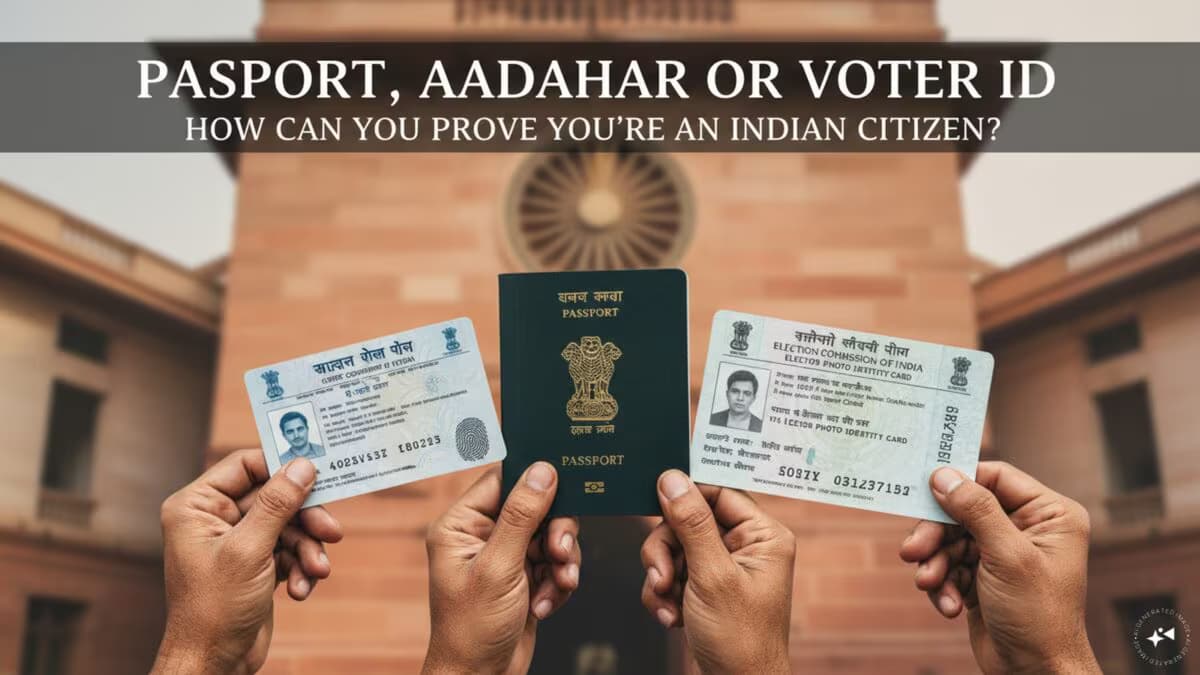
The question of what constitutes proof of indian citizenship has gained significant attention, particularly in light of the ongoing special intensive revision (
The question of what constitutes proof of Indian citizenship has gained significant attention, particularly in light of the ongoing Special Intensive Revision (SIR) of electoral rolls across various regions in India. Recent statements from the Ministry of External Affairs (MEA) have further highlighted the complexities surrounding this issue, emphasizing that while an Indian passport is a government-issued document that facilitates the travel of Indian citizens, it does not serve as an absolute proof of citizenship in all legal contexts. This nuanced understanding is essential for anyone navigating the legal landscape of citizenship in India.
It is crucial to recognize that no single document can universally establish Indian citizenship in every circumstance. Commonly accepted identity documents, such as Aadhaar cards, PAN cards, and Voter ID cards, primarily serve to verify identity, residence, or voting eligibility, but they do not definitively confirm citizenship status. For instance, while the Aadhaar card is effective in establishing identity and residence, it does not serve as proof of citizenship. Similarly, the PAN card is intended for tax identification and does not validate an individual's citizenship. The Voter ID card, although it confirms a person's registration to vote, is also not sufficient on its own to prove citizenship.