







Mumbai Faces Water Supply Challenges Despite Overflowing Lakes
Recently, residents of mumbai were bracing for water shortages as the levels in the city's reservoirs had plummeted to concerning lows. however, the situation h
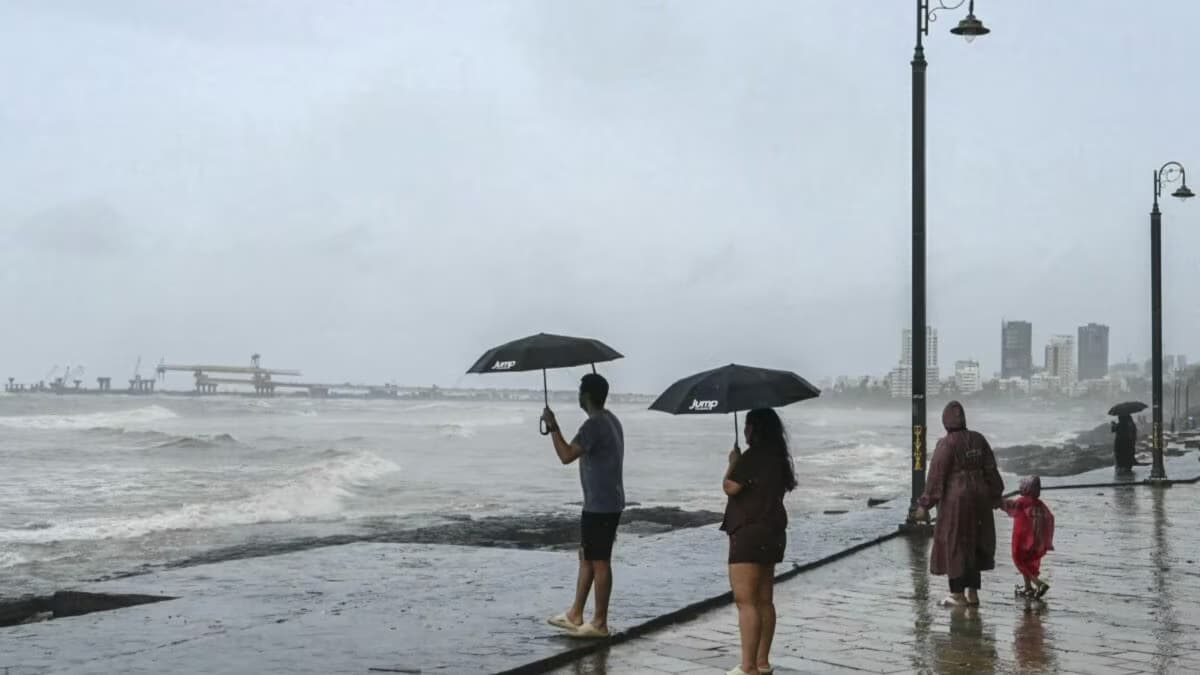
Recently, residents of Mumbai were bracing for water shortages as the levels in the city's reservoirs had plummeted to concerning lows. However, the situation has dramatically changed with the onset of heavy monsoon rains, which have replenished the water supplies significantly. Currently, four out of the seven lakes that supply water to the city are overflowing, and overall water reserves have seen a remarkable recovery. Despite this positive development, the Brihanmumbai Municipal Corporation (BMC) is moving forward with an ambitious desalination project in Manori, which is projected to cost over Rs 4,000 crores, alongside a Rs 2,241-crore underground tunnel designed to integrate the desalination plant into Mumbai's existing water distribution network. This raises a critical question: why is the government investing heavily in converting seawater into potable water when the reservoirs are brimming?
The seven reservoirs that provide drinking water to Mumbai—Bhatsa, Upper Vaitarna, Middle Vaitarna, Tansa, Modak Sagar, Vihar, and Tulsi—are primarily reliant on the monsoon rains. While the current rainfall has pushed the reservoirs to 88% of their total capacity, this abundance does not guarantee a consistent water supply throughout the year. For instance, Middle Vaitarna has experienced the most significant increase, with its water level rising by 1.90 meters due to 113 mm of rainfall, the highest recorded in the area. Meanwhile, Bhatsa, which is the city’s largest water source, has reached 86.86% of its capacity. However, the stored water must sustain the city's drinking needs for the next eight to ten months until the next monsoon arrives, which presents a substantial challenge. Currently, Mumbai requires approximately 4,665 million liters of water daily, but the existing reservoirs can only supply about 4,100 million liters, leading to a daily shortfall of around 565 million liters, not accounting for future population growth.