





Mumbai's Monsoon Crisis: Families Trapped in Unsafe Buildings
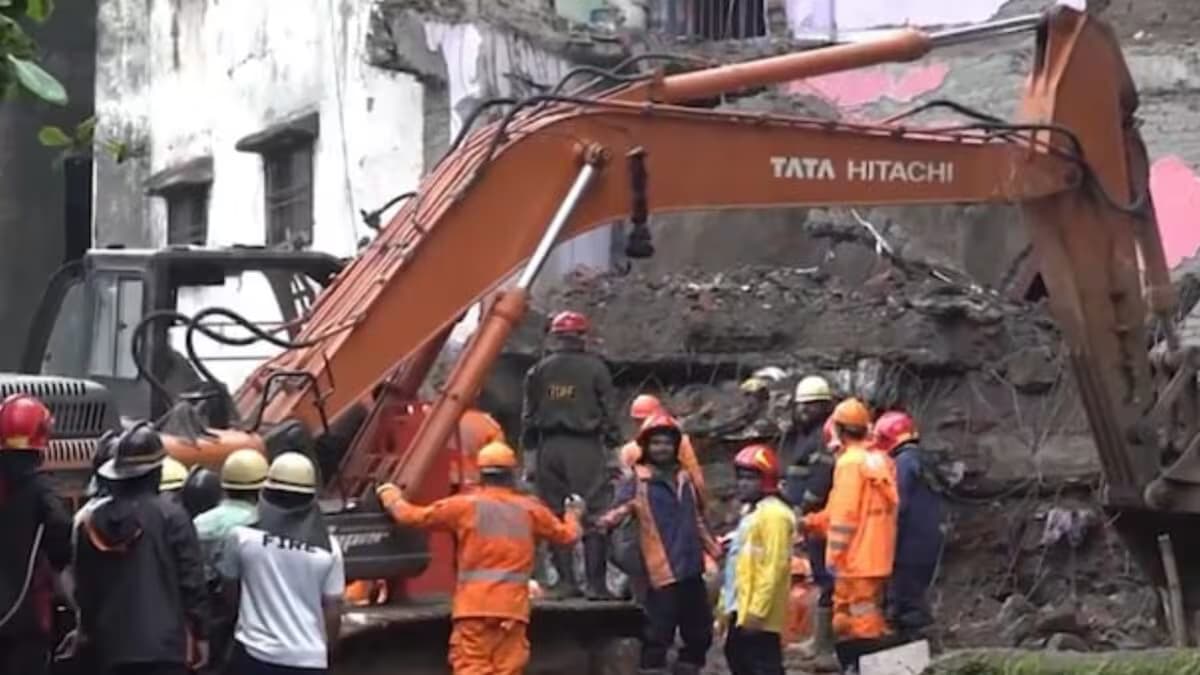
A tragic incident occurred in bhiwandi, maharashtra, where a section of a four-storey building collapsed on thursday night, resulting in the deaths of at least
A tragic incident occurred in Bhiwandi, Maharashtra, where a section of a four-storey building collapsed on Thursday night, resulting in the deaths of at least three individuals. The collapse has raised urgent concerns about the safety of aging structures, especially during the monsoon season, as fears linger that more victims may still be trapped beneath the rubble. This incident highlights a persistent issue in urban areas like Mumbai and Bhiwandi, where families continue to reside in buildings deemed unsafe despite the inherent risks. The question arises: why do residents remain in such perilous conditions?
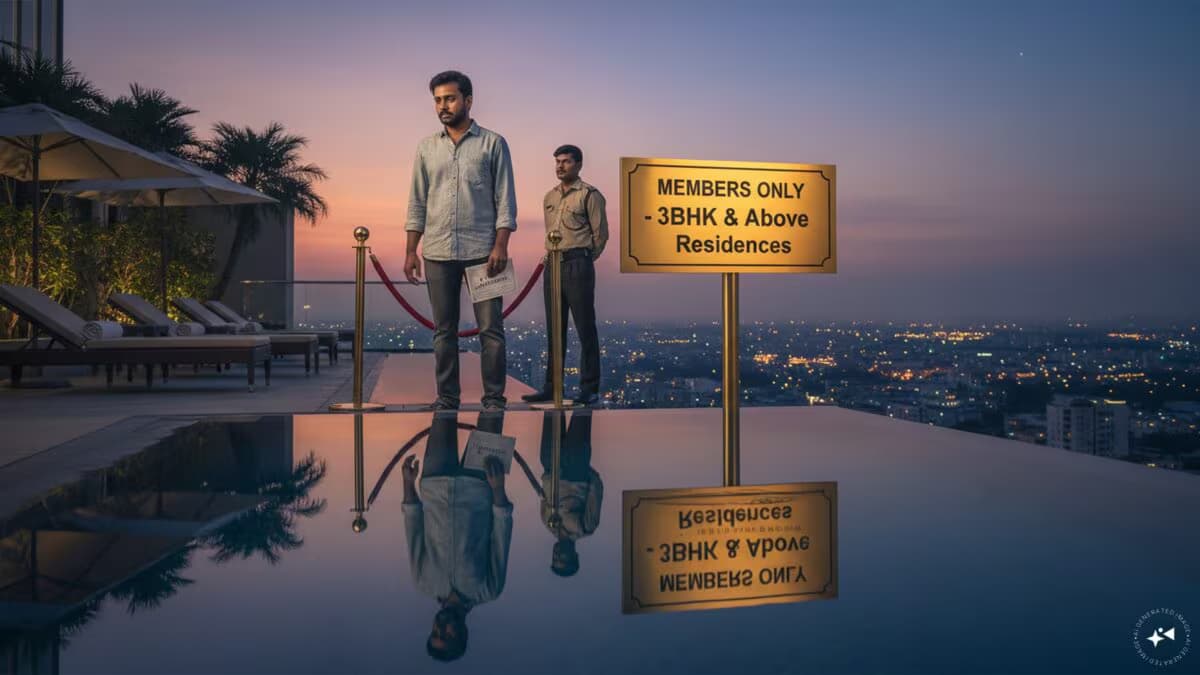
Each monsoon season, the same troubling question surfaces: why do families choose to stay in buildings that have been marked as unsafe? Although local authorities and government agencies routinely identify these vulnerable structures, many residents find themselves unable to leave due to various complications. The responsibility for ensuring building safety lies primarily with state governments and urban local bodies, as reiterated in discussions held in Parliament. Recent tragedies, such as the 2025 Virar building collapse that resulted in 17 fatalities, have underscored the dangers associated with dilapidated buildings. Behind every unsafe structure is a personal narrative; families often grasp the risks yet feel trapped by limited housing options, legal rights, and the lengthy process of redevelopment.