





Jay Clayton: From Wall Street Lawyer to Director of National Intelligence
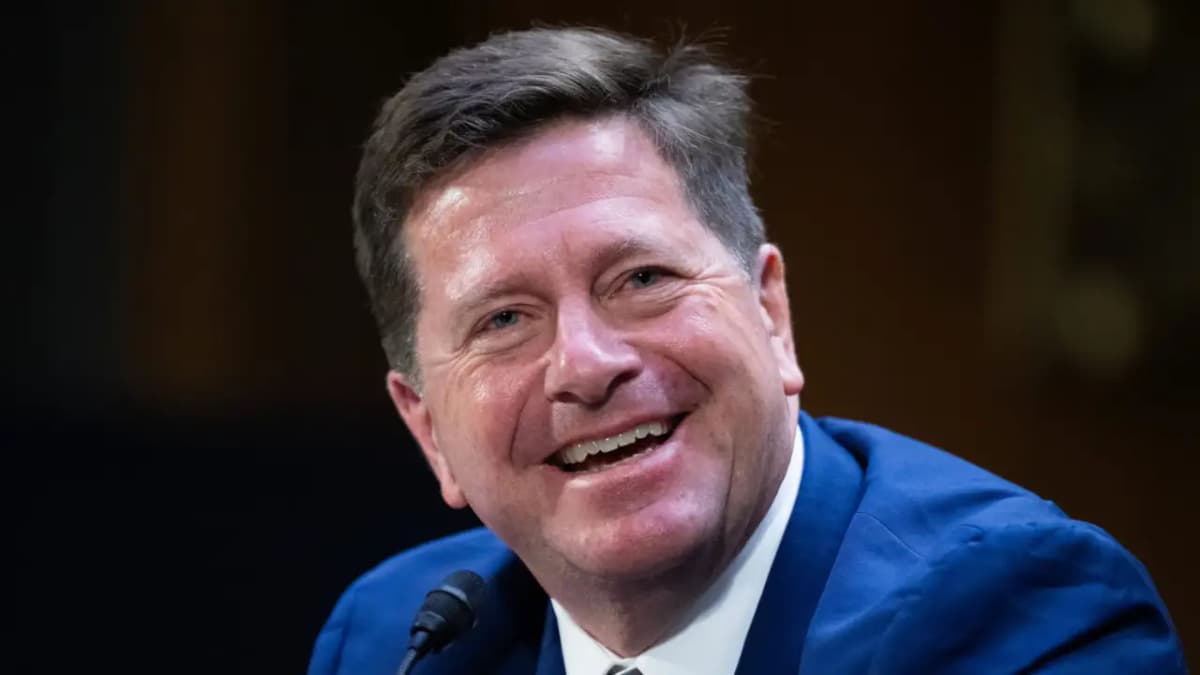
Jay clayton has transitioned from a prominent wall street lawyer to the director of national intelligence, a role he assumed following his confirmation by the u
Jay Clayton has transitioned from a prominent Wall Street lawyer to the Director of National Intelligence, a role he assumed following his confirmation by the U.S. Senate on July 28, 2026. This unexpected shift places a legal expert with a background in financial markets at the helm of the nation’s intelligence community, a departure from the typical profiles of individuals who have held this position. Clayton, who was born in 1966 at Fort Eustis, Virginia, and raised in Pennsylvania, has a distinguished academic background, having earned degrees in engineering from the University of Pennsylvania and economics from Cambridge University as a Thouron Scholar, before completing his law degree at Penn. His career began at the prestigious law firm Sullivan and Cromwell, where he spent over two decades as a leading figure in corporate law, guiding significant mergers and navigating the complexities of the 2008 financial crisis. Notably, he also co-led the firm’s cybersecurity practice, which would later prove relevant in his new role.
In 2017, Clayton was appointed by President Trump as the chairman of the Securities and Exchange Commission (SEC), a position that allowed him to influence the regulatory landscape of America’s financial markets. His tenure at the SEC was marked by a focus on protecting retail investors and adapting to the challenges posed by emerging technologies such as cryptocurrencies. Clayton's bipartisan appeal was evident when he was confirmed by a significant margin of 61 to 37 votes, reflecting his ability to garner support from both sides of the political aisle. However, his name became embroiled in controversy in the summer of 2020 when the Trump administration attempted to appoint him as the U.S. Attorney for the Southern District of New York, a move that faced backlash and ultimately fell through. Clayton withdrew from that contentious situation and returned to private practice, but his trajectory took another turn when he was appointed to the prosecutor's role in 2025.