









UCT Faces Funding Crisis Amid Controversial Resolutions on Gaza Conflict
The university of cape town (uct) has recently experienced a significant financial setback, losing 250 million rand (approximately $15.2 million) in donor fundi
The University of Cape Town (UCT) has recently experienced a significant financial setback, losing 250 million rand (approximately $15.2 million) in donor funding following the adoption of two resolutions concerning the ongoing conflict in Gaza. Vice-Chancellor Mosa Moshabela revealed this alarming news to Parliament in June, indicating that the Donald Gordon Foundation had withdrawn its remaining financial support from a 200 million rand (around $12.1 million) commitment made over ten years for a neuroscience institute. Additionally, other donors have withheld another 50 million rand (about $3 million), which includes 15 million rand (approximately $910,000) annually earmarked for student bursaries. This funding loss comes at a time when South Africa is grappling with severe economic inequality, as reported by the World Bank, and UCT's student debt had already surpassed one billion rand (around $60.7 million) by December 2025. As of February 2026, approximately 1,400 students were still facing registration holds due to financial constraints.
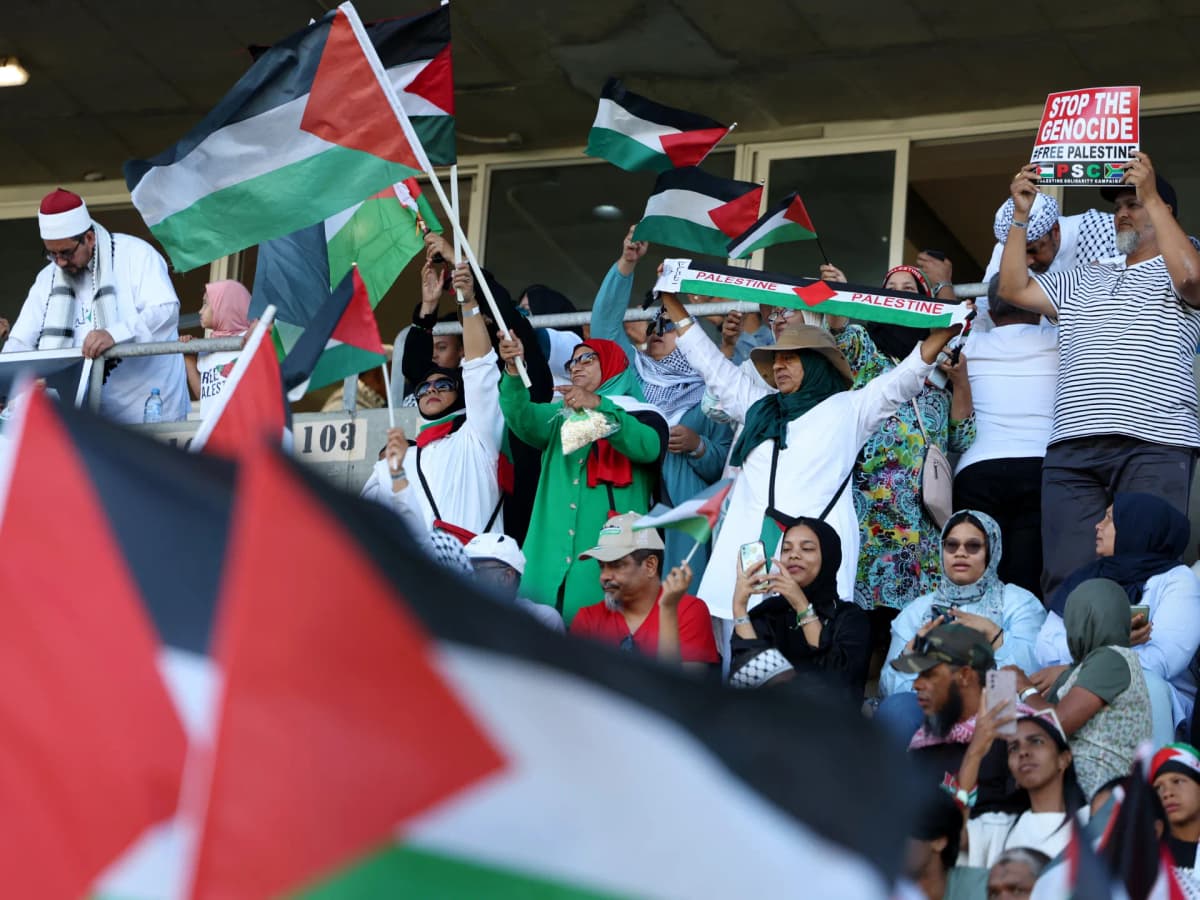
The ramifications of these funding cuts are particularly severe for Black families in South Africa, who have historically relied on public assistance and private scholarships due to the systemic inequalities rooted in apartheid. As a UCT alumnus, I recognize the significance of the institution's resources and values for students burdened by these disparities. However, the harsh repercussions following the university's resolutions seem disproportionate and unjustified. The first resolution called for a ceasefire, humanitarian aid, the release of captives, and the rebuilding of Gaza's devastated educational infrastructure. The second resolution prohibited UCT academics from engaging with any research groups or networks associated with the Israeli military or its broader establishment. Importantly, these measures did not target Israeli or Jewish scholars based on their identity, and UCT has yet to implement the restrictions on military-linked research.