






Supreme Court Upholds Birthright Citizenship Amid Trump's Legal Silence
In a significant legal development, the supreme court's ruling on birthright citizenship remains intact as the window for president donald trump’s administratio
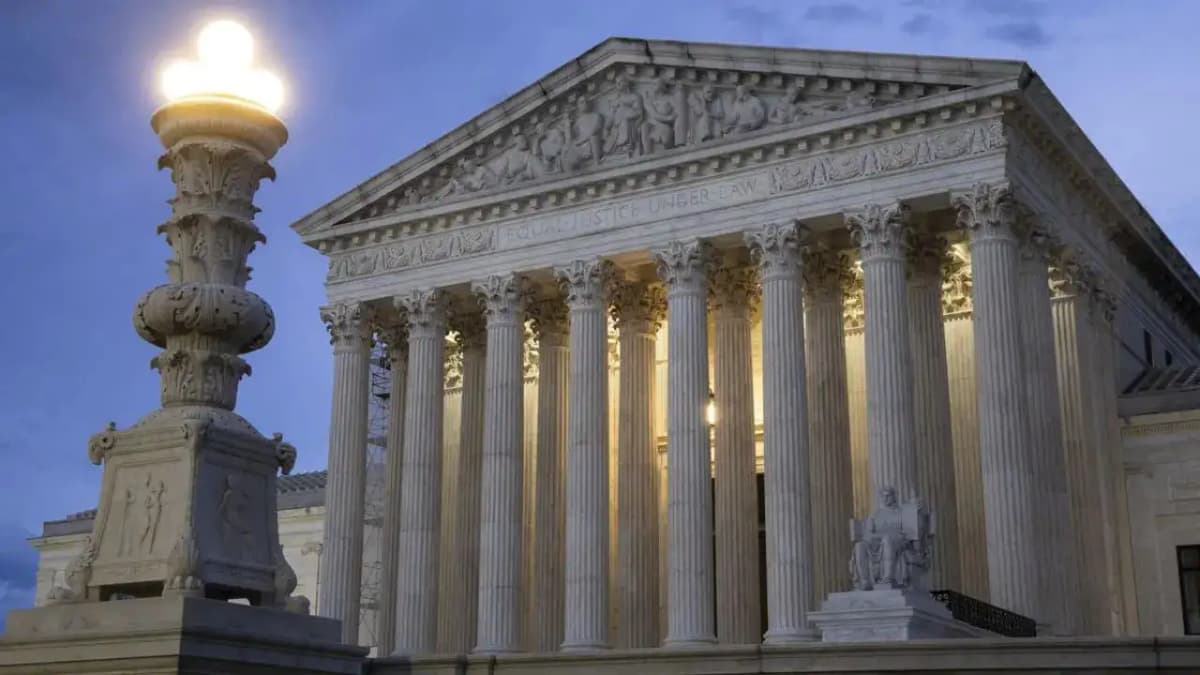
In a significant legal development, the Supreme Court's ruling on birthright citizenship remains intact as the window for President Donald Trump’s administration to appeal has officially closed. Reports indicate that the deadline for filing a petition to reconsider the court's decision has elapsed without any action taken by the administration. The case, known as Trump v. Barbara, concluded with the Supreme Court rejecting Trump's executive order aimed at restricting birthright citizenship. The ruling was supported by six justices, while three dissented, highlighting a clear division in the court regarding this pivotal issue. Central to the court's decision was the interpretation of the 14th Amendment, which guarantees citizenship to individuals born on U.S. soil, irrespective of their parents' immigration status. The majority opinion, articulated by Chief Justice John Roberts, emphasized that children born in the United States are citizens from the moment of their birth. He referenced the original intentions of the framers of the amendment, asserting that it was designed to ensure citizenship for every individual born free within the nation. This ruling reinforces a longstanding legal principle that has been upheld for generations.
The Supreme Court's decision is not without historical precedent. It aligns with the landmark ruling from 1898 in United States v. Wong Kim Ark, which established that a child born on American soil to immigrant parents is indeed a citizen. This foundational case has significantly influenced the interpretation of the 14th Amendment's Citizenship Clause for over a century. The clause explicitly states that anyone born or naturalized in the United States, and subject to its jurisdiction, is a citizen of both the country and the state in which they reside. This legal framework suggested that a challenge to the ruling could be anticipated. According to the Supreme Court's procedural guidelines, specifically Rule 44, parties wishing to seek a reconsideration of a decision typically have 25 days from the ruling date to submit their request, unless an extension is granted by a justice.