









Exam Paper Leaks: A Systemic Issue Beyond Political Blame
The issue of exam paper leaks in india transcends political affiliations, affecting governments across the spectrum, including congress, the bjp, and various re
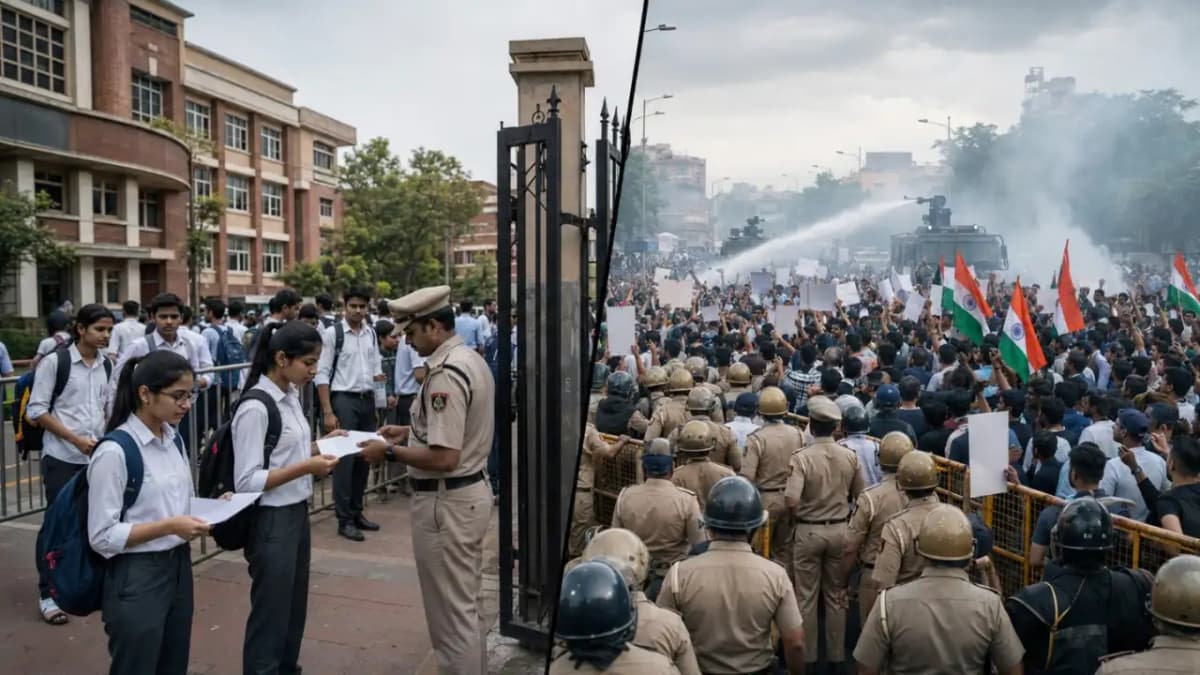
The issue of exam paper leaks in India transcends political affiliations, affecting governments across the spectrum, including Congress, the BJP, and various regional parties. A comprehensive analysis of documented incidents from 2004 to 2026 reveals a total of 110 cases of exam leaks. Among these, 24 occurred during the tenure of the United Progressive Alliance (UPA) while the remaining 86 took place under the National Democratic Alliance (NDA). However, this division does not provide a clear political narrative; rather, it highlights the systemic vulnerabilities inherent in the examination process itself. Most of these leaks are associated with state-level exams, including teacher recruitment, police constable selections, and public service commission tests, all of which are managed by state authorities. The mere classification of these incidents by the ruling party at the national level fails to address the core issue, which lies in the operational framework of the examination system, including the printing, custody, and security of question papers.
The data indicates that Uttar Pradesh has the highest number of significant incidents, with 11 cases reported, followed by Rajasthan with 7 and Gujarat with 3. This pattern underscores a critical finding: the problem is not confined to one political party or another but is rooted in the examination machinery itself. Despite changes in government, the vulnerabilities within the system remain unchanged. While there are often immediate reactions to leaks, such as cancellations and arrests, the long-term outcomes reveal a different story. The Vyapam scandal in Madhya Pradesh serves as a prime example of this phenomenon. Following a Supreme Court directive, the investigation was handed over to the Central Bureau of Investigation (CBI), which established special courts to expedite the legal process. Over the years, numerous convictions have been secured, with the most recent cases resulting in significant prison sentences for individuals involved in various recruitment exams. However, a closer examination of these convictions reveals a troubling trend: most of those sentenced are lower-level participants, such as candidates and impersonators, while those in positions of authority—such as officials overseeing the exams—often evade accountability.