








Challenges Facing the UN Refugee Convention in a Changing World
In the aftermath of world war ii, europe was left devastated, with countless individuals displaced from their homes. this humanitarian crisis led to the establi
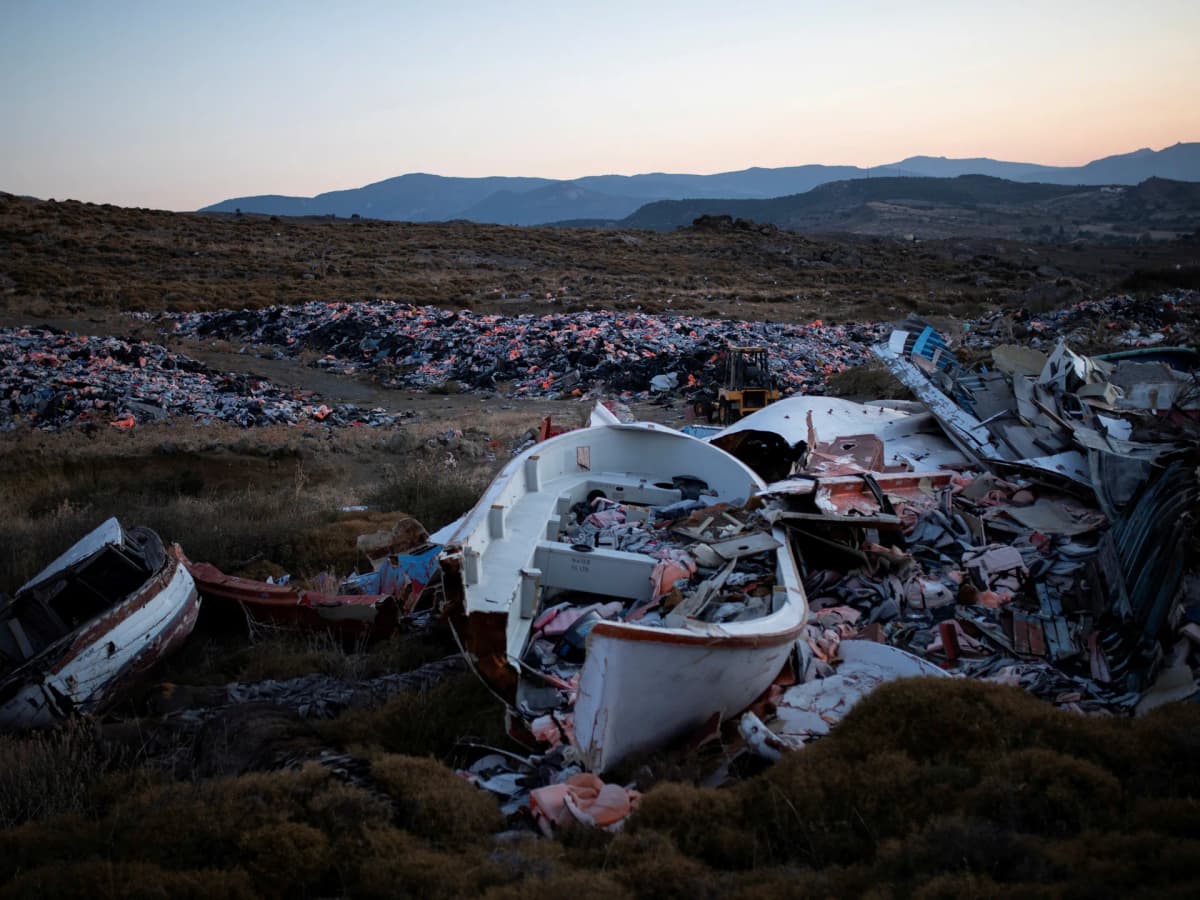
In the aftermath of World War II, Europe was left devastated, with countless individuals displaced from their homes. This humanitarian crisis led to the establishment of the United Nations' 1951 Refugee Convention, which set forth a legal framework detailing the responsibilities of nations to safeguard refugees. Initially focused on European refugees, the convention was broadened in 1967 to include individuals fleeing persecution globally. Today, 149 countries are signatories to this pivotal agreement, with no nation having formally withdrawn from it. However, as the world faces a myriad of conflicts and humanitarian crises, the relevance and enforcement of this convention are being tested like never before. The ongoing Syrian civil war has resulted in a significant refugee influx into Europe, while the recent turmoil in Sudan, the collapse of the Venezuelan state, and the Russian invasion of Ukraine have further exacerbated the global refugee crisis. Currently, the UN estimates that there are over 41 million refugees worldwide, highlighting the urgent need for effective international cooperation and support. The convention defines a refugee as someone who is outside their country of origin due to a well-founded fear of persecution based on race, religion, nationality, social group membership, or political opinion. Central to this treaty is the principle of non-refoulement, which prohibits returning refugees to places where they may face danger. Yet, in recent years, some of the wealthiest nations have adopted increasingly harsh policies towards refugees, influenced by rising populism and anti-immigration sentiments. For instance, recent rulings by the U.S. Supreme Court have allowed the Trump administration to deny asylum seekers at the border and revoke temporary protected status for individuals from Haiti and Syria. In Australia, refugees attempting to reach the country by boat face being turned back or sent to offshore detention centers, drawing criticism from human rights advocates. Denmark, a pioneer in signing the convention, has controversially revoked legal status for Syrian refugees, citing safety in certain regions despite ongoing conflicts. As Europe grapples with the aftermath of the Syrian refugee crisis, border enforcement has become more aggressive, with countries like Greece and Poland employing violent pushback tactics against asylum seekers. Critics argue that these new policies contradict the core principles of the convention, such as the right to seek asylum and the non-refoulement principle. Adriana Tidona, a migration researcher at Amnesty International, expressed concern that the EU's new Migration and Asylum Pact would facilitate the rejection of asylum applications without proper review, potentially sending individuals to countries where they have no ties or familiarity. As the convention marks its 75th anniversary, Tidona emphasizes the urgent need for renewed international collaboration in refugee protection and a collective approach to responsibility-sharing. In the U.S., the Trump administration has considered withdrawing support from the UN refugee agency, UNHCR, amid claims of a mass migration agenda. While the Refugee Convention has provided protection for millions since its inception, it has limitations, particularly for those fleeing poverty, climate change, or gang violence, who may not fit the established criteria. Experts like Jeff Crisp from the Oxford University Refugee Studies Centre argue that the convention's lack of enforcement mechanisms has allowed governments to interpret its provisions to suit their interests, leading to a more hostile environment for refugees. In recent years, Western nations have not only enacted restrictive policies but have also deported individuals to third countries with which they have no connection. The UK, for example, attempted to send asylum seekers to Rwanda, a policy later reversed by the new Labour government. Italy has established detention centers in Albania, and the U.S. has deported individuals to various nations, including Iran and South Sudan. As several EU countries explore the creation of return hubs in Africa and Asia to process asylum seekers, there is a growing call for an update to the convention to address existing gaps. Susan Fratzke from the Migration Policy Institute suggests that a new protocol could provide a legal framework for implementing stricter policies while simultaneously enhancing protections for refugees, such as the right to work and opportunities for integration. The ongoing evolution of the Refugee Convention reflects the complexities of modern migration and the urgent need for a balanced approach to refugee protection that respects human rights while addressing national concerns.