







Violence Erupts in Pakistan-administered Kashmir Amid Election Protests
Concerns are escalating regarding the recent violence in pakistan-administered kashmir, where reports indicate that over 30 individuals have lost their lives am
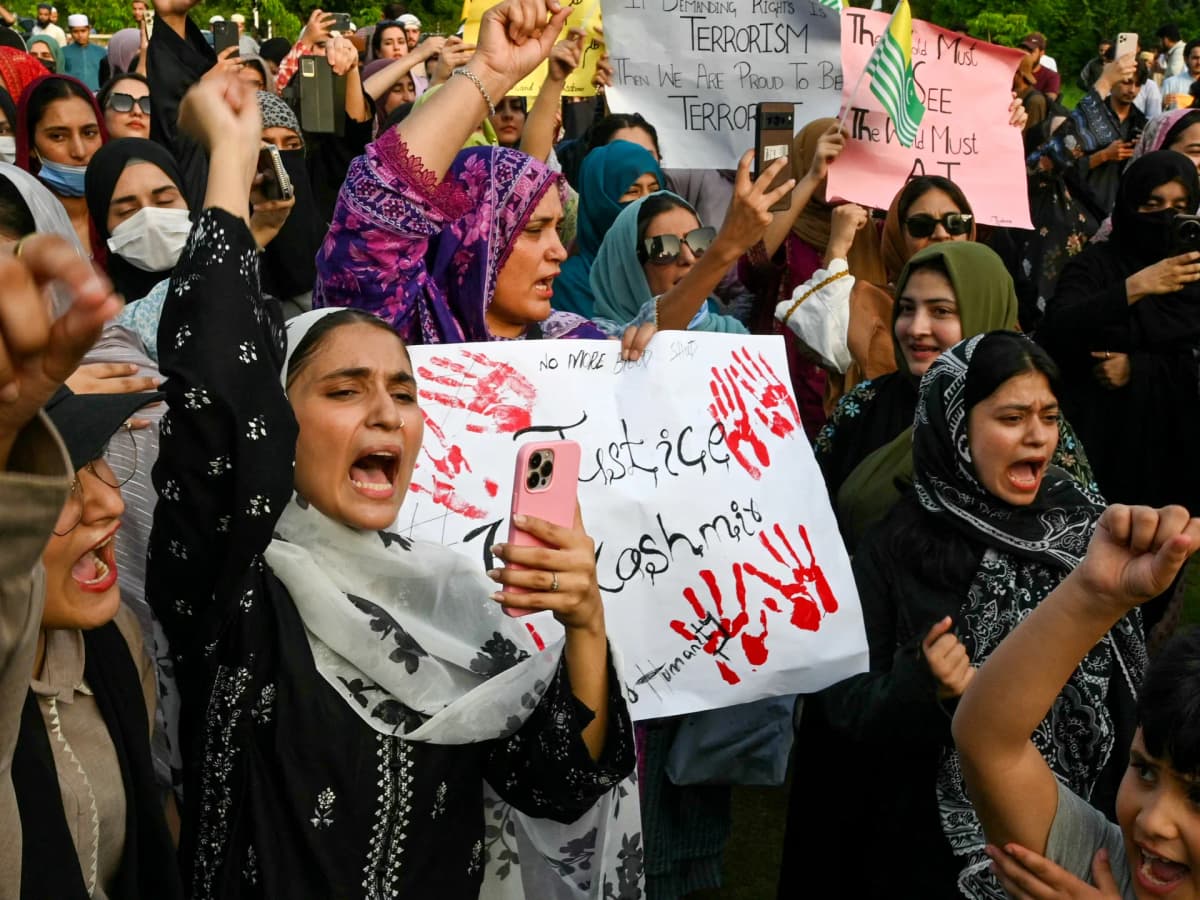
Concerns are escalating regarding the recent violence in Pakistan-administered Kashmir, where reports indicate that over 30 individuals have lost their lives amid unrest surrounding regional elections. The Joint Awami Action Committee (JAAC), a banned activist group, has been vocal in its opposition to the electoral process, claiming that the violence was instigated by security forces during protests. The situation has drawn attention from various human rights organizations, including Amnesty International, which has called for a thorough investigation into the use of lethal force against demonstrators. The unrest coincided with the first round of voting, which took place earlier this week, leading to a significant outcry from the JAAC and its supporters, who argue that their demands for peaceful protests were met with violence. In a video statement released to the media, Sardar Umar Nazir, a member of the JAAC, reported that 20 of their supporters were killed during a march on the day of the elections, with additional fatalities occurring in subsequent protests across towns such as Rawalakot and Mirpur. The group has emphasized that their demonstrations were intended to be non-violent, yet they faced aggressive responses from law enforcement. Pakistani authorities have acknowledged the loss of life on both sides, with one security personnel reported dead and several others injured during the clashes.
The electoral process in Pakistan-administered Kashmir has been marred by accusations of violence and intimidation, raising questions about the legitimacy of the elections. The first round of voting, which covered the districts of Mirpur, Kotli, and Bhimber, is set to be followed by two additional rounds on August 2 and August 10. The Pakistan Muslim League-Nawaz (PML-N), the ruling party, managed to secure nine out of the 13 contested seats during the initial voting phase. However, the JAAC's ban under anti-terrorism laws has led to widespread disruptions, including significant interruptions to banking, transportation, and internet services, which have further complicated the flow of information in the region. Observers, including Pear Pandya from the Armed Conflict Location & Event Data Project (ACLED), have noted that the violence surrounding the elections could overshadow the overall credibility of the electoral process, raising concerns about the future political landscape in the region.