





Cuba Embraces Private Sector Amid Economic Crisis and Shortages
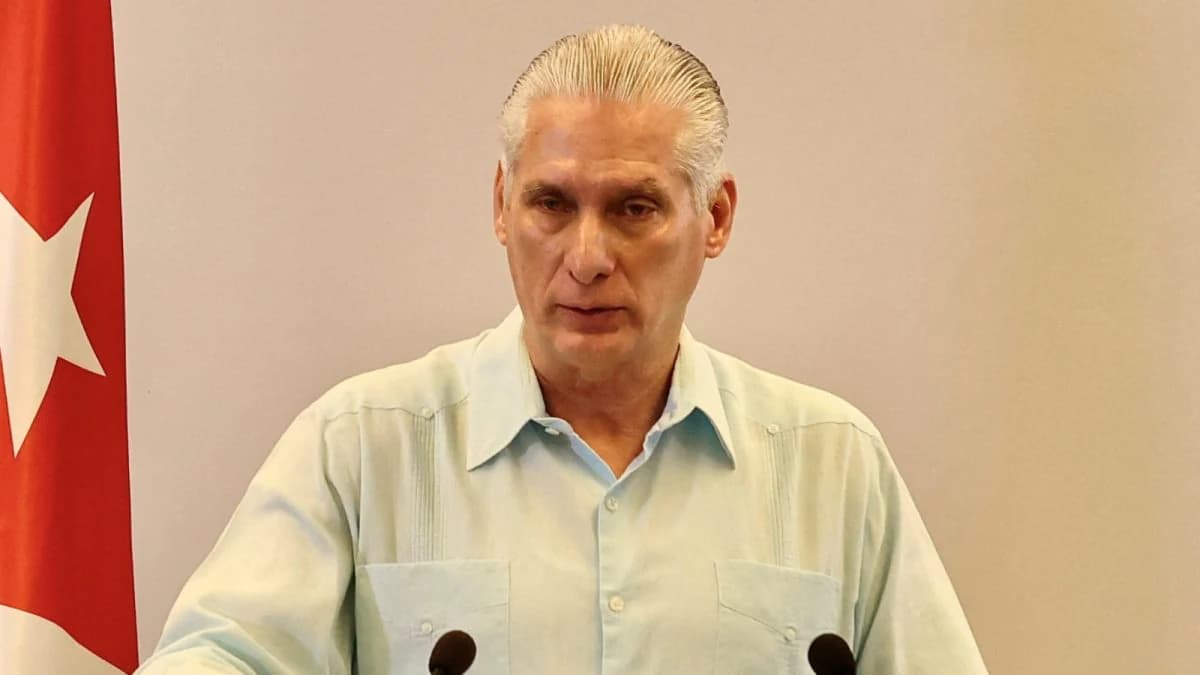
In a significant policy shift, cuba, which has long been governed by a communist regime, has announced the opening of its economy to private enterprises in resp
In a significant policy shift, Cuba, which has long been governed by a communist regime, has announced the opening of its economy to private enterprises in response to severe shortages of essential goods and services. This change comes as the island nation grapples with ongoing economic challenges, including fuel, medicine, and electricity shortages that have persisted for years. The Cuban government has taken the bold step of allowing private companies to operate in critical sectors such as pharmacies, petrol stations, and electricity generation, which have traditionally been under state control. This move signals a growing recognition of the need for economic reform as the country seeks to alleviate the hardships faced by its citizens.
The decision to permit private businesses to enter these essential markets is part of a broader strategy aimed at addressing the chronic shortages that have disrupted daily life for many Cubans. Officials in Havana have attributed the ongoing economic crisis primarily to the long-standing US embargo, which they argue has severely limited access to vital resources, including energy supplies and necessary imports. As the government seeks to navigate these challenges, the recent policy shift represents one of the most significant openings to private enterprise seen in recent years, indicating a potential easing of state control over vital services in a bid to stimulate the economy and improve living conditions.