






FMGE 2026 Results Show Low Pass Rates for Foreign Medical Graduates

In a recent update during the monsoon session of parliament, the indian government revealed that the pass rate for the foreign medical graduate examination (fmg
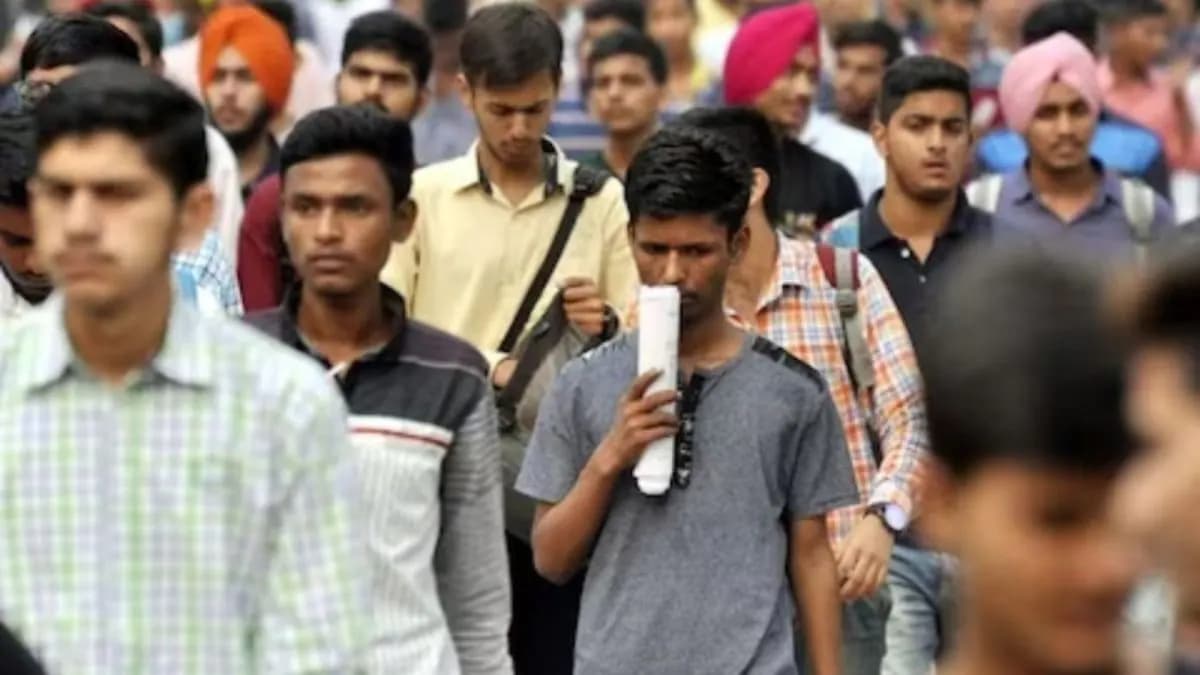
In a recent update during the Monsoon Session of Parliament, the Indian government revealed that the pass rate for the Foreign Medical Graduate Examination (FMGE) held in June 2026 was a mere 12.78 percent. This statistic highlights the challenges faced by foreign medical graduates attempting to obtain licensure in India. The National Board of Examinations in Medical Sciences (NBEMS) has provided insights into the performance of these candidates, indicating that a significant portion of first-time test-takers, over 35 percent, managed to pass the exam. In stark contrast, nearly 88 percent of repeat candidates struggled to achieve a passing score, reflecting a concerning trend in the examination's overall success rates. However, it is important to note that the NBEMS has yet to release a comprehensive performance report for the June 2026 session, leaving many questions unanswered regarding the factors influencing these outcomes.
The NBEMS categorizes successful candidates based on the duration it takes them to pass the FMGE following their medical education abroad. Notably, the December 2025 examination session saw the highest number of candidates qualifying within six months to one year post-graduation, with this group comprising 8,543 out of 10,264 successful candidates. In contrast, the June 2025 session recorded its highest success rate among candidates who qualified between one year and one-and-a-half years after graduation, with 4,411 out of 6,709 candidates achieving success. This discrepancy in qualification timelines between the two sessions raises questions about the consistency of candidate performance, as the patterns observed were not identical. While the December session favored those who graduated more recently, the June session appeared to have a larger number of candidates who took longer to qualify, although the NBEMS has not provided an official explanation for this variation.