




In the picturesque region of kashmir, many children face significant challenges when it comes to accessing education. the absence of roads connecting their home
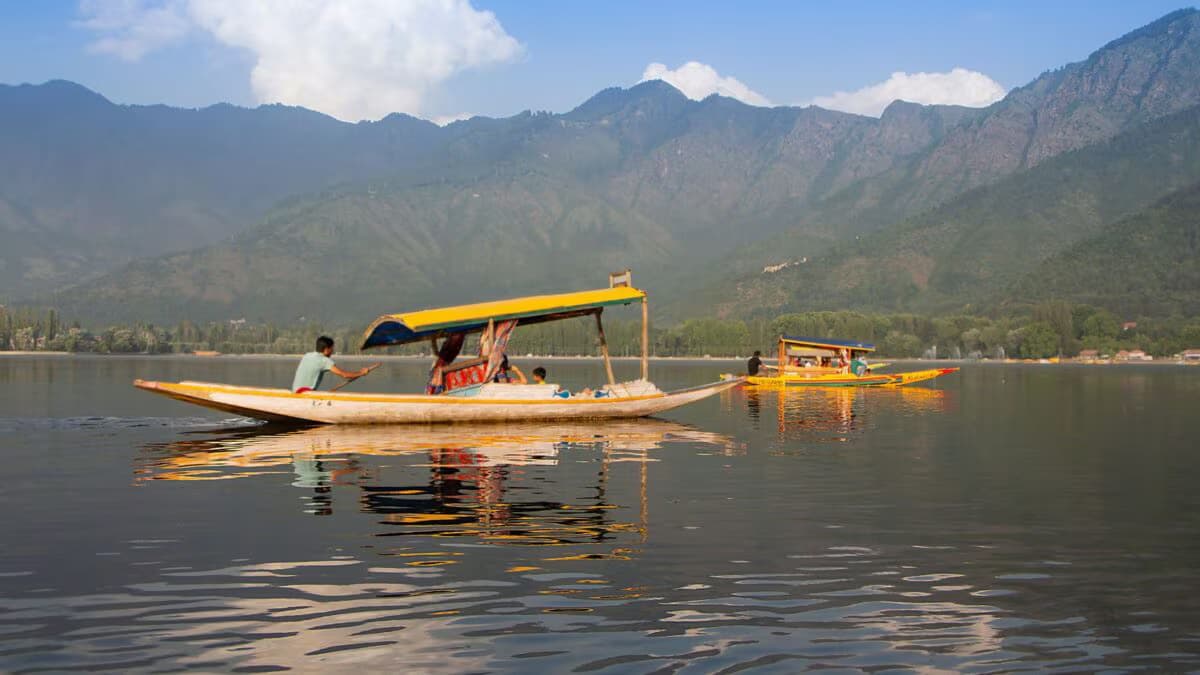
In the picturesque region of Kashmir, many children face significant challenges when it comes to accessing education. The absence of roads connecting their homes to schools means that these young learners must navigate the waters of Dal Lake by boat to reach their classrooms. To address this issue, local communities have established floating schools, which are constructed on boats or floating platforms, providing a safe and accessible learning environment for students close to their homes. This initiative has been reported by Wodne Sprawy, highlighting the creative solutions that are emerging in response to educational barriers.
The inception of the first floating school dates back to 2020, coinciding with the onset of the COVID-19 pandemic. However, the pandemic was not the sole factor contributing to the disruption of education in the region. Schools in Kashmir have experienced repeated closures due to ongoing political unrest between India and Pakistan, which has further complicated the educational landscape. These abrupt interruptions have made it increasingly difficult for children to maintain a consistent learning routine. Additionally, many parents have expressed concerns about the safety of sending their children on lengthy and potentially hazardous boat journeys to schools located in Srinagar.

Each day, students embark on their journey to the floating schools, with younger children accompanied by their parents and older students often rowing their own boats. This daily commute offers a glimpse into the vibrant life around the lake, where they encounter market-goers, vendors selling fresh produce, and individuals heading to local mosques. The floating classrooms themselves are quite basic, equipped with benches and blackboards, where students engage in subjects such as mathematics, Urdu, English, history, and geography. They also gain an appreciation for the natural environment surrounding them. During the harsh winter months, when the lake becomes unsafe for travel, classes are temporarily suspended, but teachers make home visits to ensure students continue their studies by providing books and learning materials. These floating schools are community-driven initiatives, operated by parents and local organizations rather than the government, with a primary focus on fostering a love for learning rather than merely achieving high grades. The small class sizes enable educators to offer personalized attention to each student, and there are plans to incorporate computer education using solar-powered devices. Parents contribute modest fees to support the purchase of essential supplies like notebooks and chalk. Today, numerous floating schools are making a significant impact by ensuring that children in Kashmir can pursue their education despite the geographical and political challenges they face.
Tragic Accident in Telangana: Man Killed by Speeding Car Captured on CCTV
Neeraj Chopra's Educational Journey: From Khandra to Olympic Glory
Teacher Dismissed for Allegedly Having Students Comb Her Hair
The Bennett Reimagined: Alumni Inspire Future Innovations
Jharkhand Board Announces 2026 Compartment Exam Schedule for Classes 10 and 12
Bombay High Court Rejects NEET UG 2026 Tampering Claims, Imposes Costs
Addressing Youth Unemployment: The Need for Entrepreneurship in India
32,114 Vacant Positions Filled in Higher Education Institutions, Reports Ministry of Education
West Bengal Unveils Smart Classrooms and AI Initiatives for Schools
ICAI Reopens CA Final November 2026 Exam Registration from August 1
UGC Greenlights One-Year Online PG Programs for Select Universities