











Troubleshooting Slow Ceiling Fans: Common Causes and Solutions
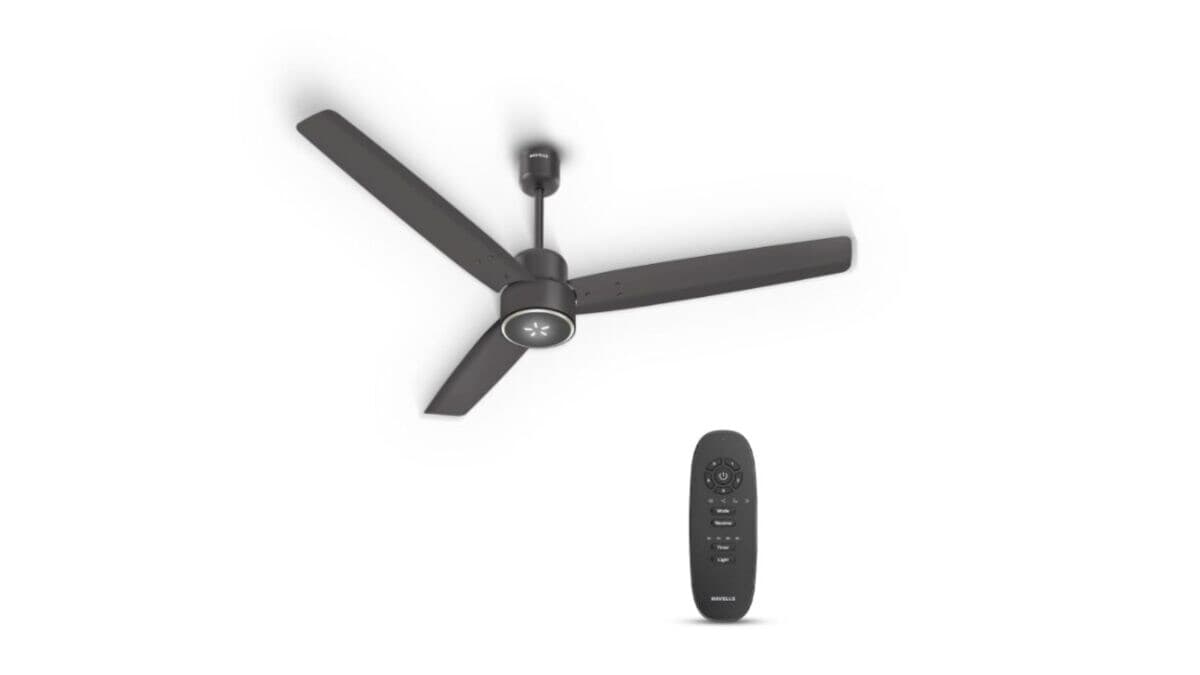
If your ceiling fan has started to operate at a reduced speed, it may not necessarily mean that it needs to be replaced. there are several factors that can cont
If your ceiling fan has started to operate at a reduced speed, it may not necessarily mean that it needs to be replaced. There are several factors that can contribute to this issue, ranging from simple maintenance problems like dust accumulation to more complex electrical failures involving components such as capacitors, regulators, bearings, or the motor itself. Understanding these potential causes can help you identify the problem and determine the best course of action to restore your fan's functionality.
Before you begin any inspection or maintenance on your ceiling fan, it is crucial to ensure safety first. Start by turning off the fan and disconnecting it from the main power supply to avoid any electrical hazards. It is important not to touch any wiring or open the motor housing while the power is still connected. Once you have ensured that the fan is safely powered down, set it to its highest speed and test the wall regulator to see if it makes a difference. If the fan continues to operate at a single speed, the wall regulator may be malfunctioning and might need replacement. For fans that are operated via remote control, check the batteries in the remote and ensure that settings like Sleep, Timer, or low-speed mode have not been inadvertently activated. Sometimes, simply turning the fan off at the wall for a few minutes can reset it and restore normal operation.