










The Great Molasses Flood: A Sticky Disaster in Boston's History
On january 15, 1919, boston experienced an extraordinary and tragic event that would go down in history as the great molasses flood. this bizarre industrial dis
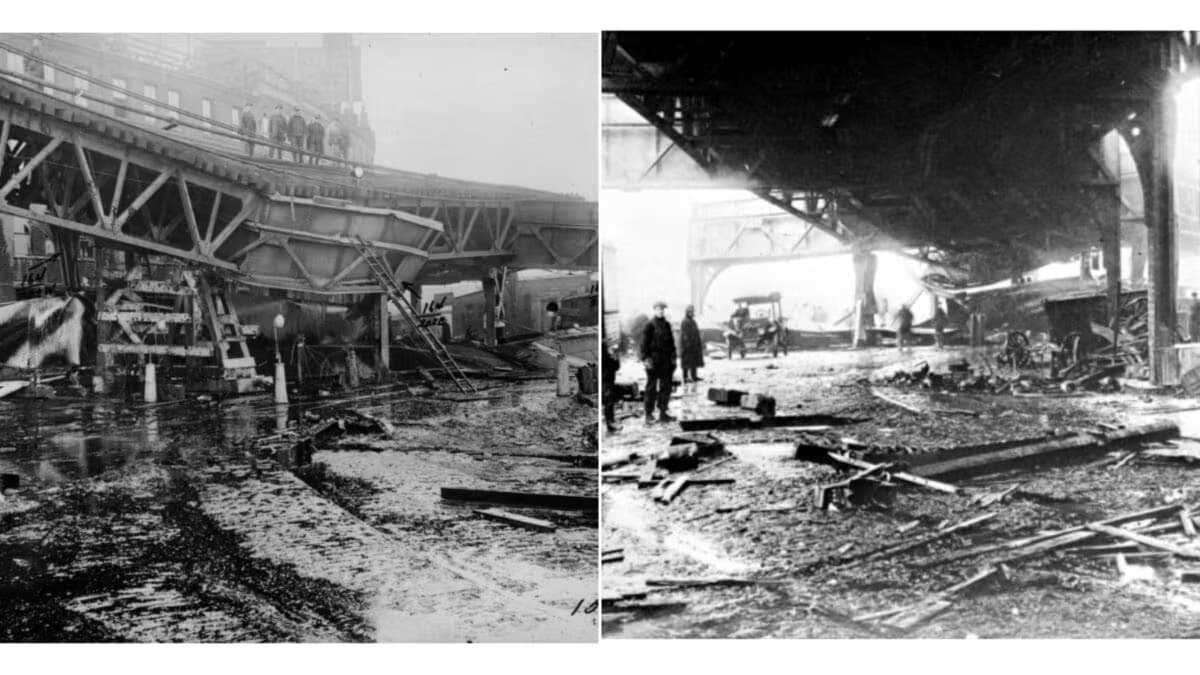
On January 15, 1919, Boston experienced an extraordinary and tragic event that would go down in history as the Great Molasses Flood. This bizarre industrial disaster occurred in the North End, where a massive tank containing approximately 2.3 million gallons of molasses suddenly ruptured, unleashing a torrent of sticky syrup that transformed the streets into a chaotic scene. The incident took place around 1 PM, when residents were startled by a loud noise, followed by the catastrophic failure of the 50-foot-high storage tank. The molasses surged through the neighborhood at an alarming speed of nearly 35 miles per hour, causing widespread destruction as it swept away buildings, derailed an elevated train, and trapped numerous individuals and animals in its viscous flow. The aftermath of this disaster was devastating, resulting in the loss of 21 lives and injuries to around 150 others, marking a dark chapter in the city’s history.
The origins of the disaster were rooted in negligence and poor engineering practices. For years, local residents had raised concerns about the tank's leaks, with children often seen collecting the dripping molasses in buckets. Instead of addressing these issues, the owners of the tank chose to paint it brown in an attempt to conceal the leaks. Investigations following the flood revealed that the tank's design was fundamentally flawed, with walls that were too thin to safely contain such a large volume of molasses. A combination of a new shipment of molasses and a sudden increase in temperature is believed to have triggered the catastrophic rupture. The cleanup process proved to be a monumental task, as the sticky substance coated the streets and buildings, complicating rescue efforts. Workers eventually discovered that saltwater could help dissolve the molasses, but it took weeks to restore the neighborhood to its former state.