









75 Years of the Refugee Convention: Upholding a Global Promise
A decade ago, i embarked on a perilous journey across the aegean sea in a cramped inflatable boat, driven by a desperate hope for survival. my departure from sy
A decade ago, I embarked on a perilous journey across the Aegean Sea in a cramped inflatable boat, driven by a desperate hope for survival. My departure from Syria was not a choice made lightly; it was a necessity born from the devastation of war that obliterated my home, disrupted my education, and replaced my once-secure existence with a landscape of fear, loss, and uncertainty. Like countless others before me, I found myself in a position I had never envisioned: that of a refugee. This year marks a significant milestone—the 75th anniversary of the 1951 Refugee Convention, a pivotal international agreement established in the aftermath of one of history's most harrowing periods. Its purpose is to ensure that individuals fleeing persecution are afforded protection and not left to fend for themselves. For many, this document may seem like a mere legal formality, but for me, it symbolizes hope, safety, and the possibility of a fresh start. Without the right to seek asylum, my life in Germany would have been unimaginable. I would not have had the chance to compete in two Olympic Games or to serve as a UNHCR Goodwill Ambassador, advocating for those who, like me, have been forced to flee their homes. The Convention did not guarantee my success; it merely provided me with an opportunity, and that distinction is crucial.
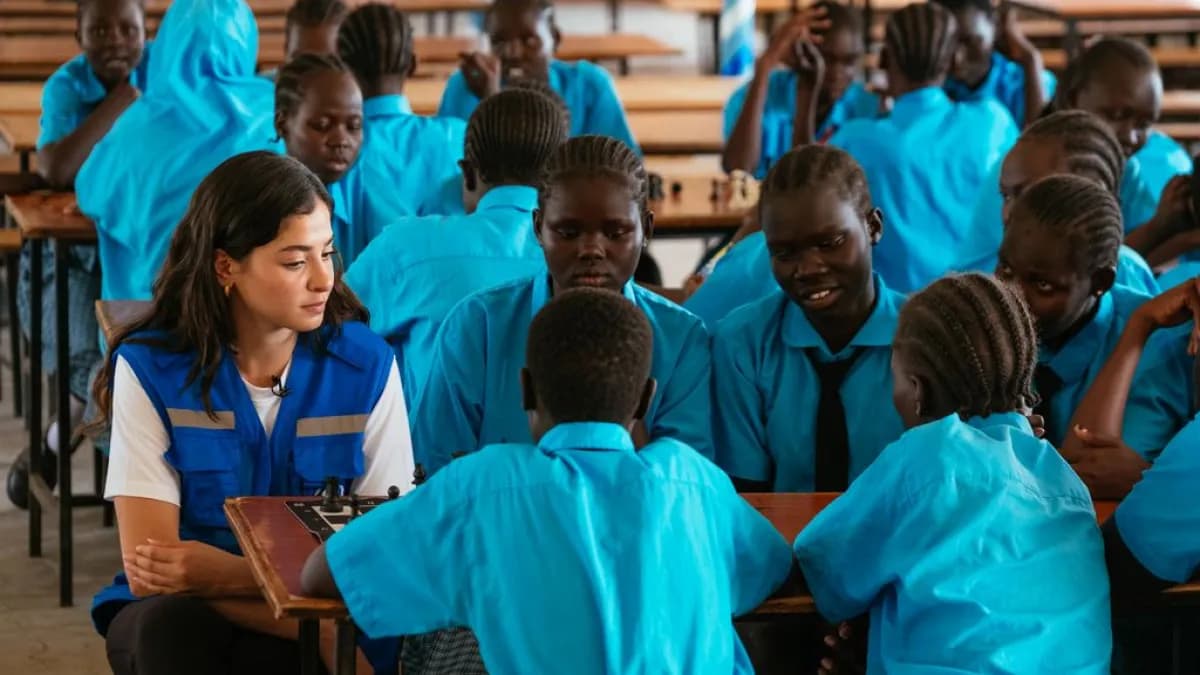
Currently, over 120 million individuals globally have been uprooted from their homes due to conflict, violence, and persecution. However, these figures do not convey the true essence of displacement; each statistic represents a human being. A child who should be in school, a parent striving to keep their family intact, or a young adult pondering their future amidst uncertainty. Unfortunately, refugees are often reduced to mere numbers, framed as political issues or security threats, rather than being recognized as individuals with unique stories, aspirations, and talents. My identity as a swimmer, a daughter, and a sister did not vanish when I became a refugee; my circumstances changed, but who I am remained intact. Through my work with the UN Refugee Agency, I have encountered families who have lost nearly everything except their hope. I have met children who continue to dream despite the chaos surrounding them and young athletes who refuse to abandon their ambitions, even when faced with overwhelming odds. Their shared resilience is matched only by their unwavering determination to believe in a brighter tomorrow.