










Understanding the Impact of Endometriosis Surgery on Fertility
For numerous women grappling with endometriosis, the choice to pursue surgical intervention can evoke a mix of hope and anxiety. this procedure is frequently su
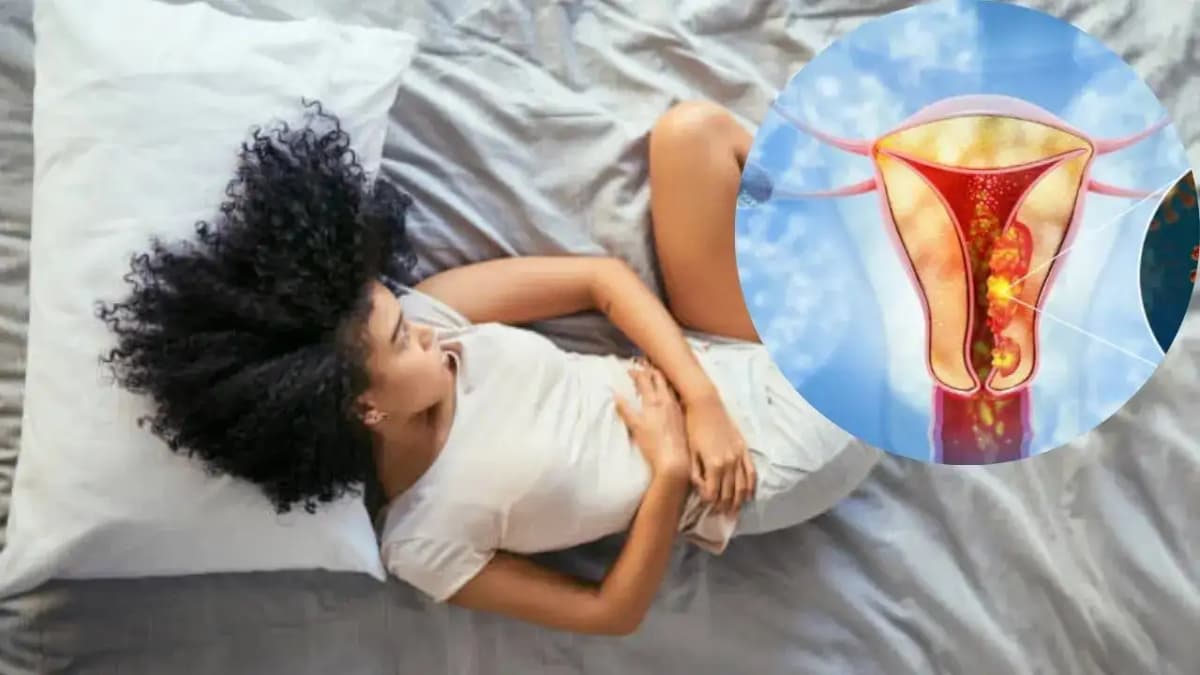
For numerous women grappling with endometriosis, the choice to pursue surgical intervention can evoke a mix of hope and anxiety. This procedure is frequently suggested to alleviate discomfort and enhance fertility prospects, yet many women harbor concerns that the surgery might inadvertently diminish their ability to conceive. Dr. Vandana Bhatia, a Fertility Specialist at Nova IVF Fertility, emphasizes that the outcome of endometriosis surgery is not a straightforward matter. The effects on fertility can vary significantly based on individual circumstances. "While surgery can alleviate pain and potentially boost pregnancy chances in select cases, there are valid concerns regarding its impact on future fertility," she notes. Endometriosis is characterized by the growth of tissue resembling the uterine lining outside the uterus, often affecting the ovaries, fallopian tubes, and other pelvic organs. In rare instances, it may also involve the bowel, bladder, lungs, or skin. Common symptoms include severe pelvic pain, irregular periods, and discomfort during intercourse.
Dr. Bhatia elaborates on the potential benefits of surgery, stating, "In carefully chosen patients, surgical intervention can greatly enhance the likelihood of conception. The primary goal of the procedure is to restore normal pelvic anatomy by excising endometriosis lesions, scar tissue, adhesions, and ovarian cysts." This restoration allows the ovaries and fallopian tubes to operate more effectively, thereby increasing the chances of natural conception. Women diagnosed with mild to moderate endometriosis often see improved fertility outcomes following successful surgical procedures. However, it is crucial to acknowledge that surgery carries inherent risks. Dr. Bhatia warns that unnecessary or repeated surgeries could inadvertently harm healthy ovarian tissue, leading to a reduced ovarian reserve, which refers to the number of viable eggs left in the ovaries. Furthermore, multiple surgeries may result in additional scar tissue formation, which could further complicate fertility. Therefore, surgery should be considered only after a comprehensive assessment of factors such as age, severity of endometriosis, ovarian reserve, prior surgical history, and future pregnancy aspirations. Each treatment plan must be customized to align with the individual’s fertility objectives.