




US Military Faces Depleted Weapons Stockpiles Amid Ongoing Iran Conflict
As the conflict with iran stretches into its fifth month, the united states military is grappling with a significant depletion of its weapons stockpiles, partic
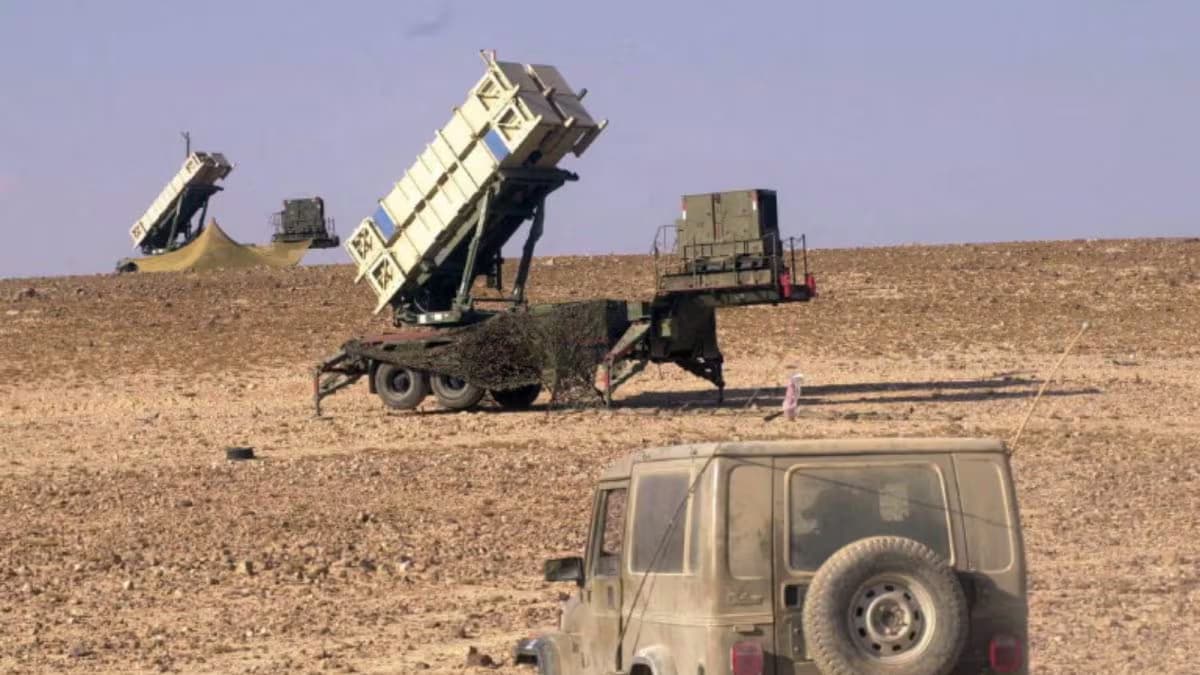
As the conflict with Iran stretches into its fifth month, the United States military is grappling with a significant depletion of its weapons stockpiles, particularly in air defense systems. This situation raises serious questions about the US's capacity to maintain its military operations in the Middle East while also addressing potential threats in other regions. A recent report from the Center for Strategic and International Studies (CSIS) highlights that the US has utilized a considerable number of its Patriot and Terminal High Altitude Area Defense (THAAD) interceptors since the onset of hostilities in late February, leading to a sharp decline in available resources. The report reveals that fewer than 827 Patriot interceptors and fewer than 278 THAAD interceptors are currently available in US inventories, a stark contrast to the pre-conflict stock of approximately 2,200 Patriot interceptors and around 452 THAAD missiles.
The implications of these dwindling stockpiles are significant, as they may compel the United States and its allies to adopt riskier strategies when it comes to missile defense. The authors of the CSIS report caution that the reduced inventories could hinder effective interception capabilities, noting that there are limited alternatives to the Patriot and THAAD systems for defending against ballistic missile threats. Furthermore, US Navy vessels equipped with Standard Missiles are often stationed at distances that limit their effectiveness in providing timely protection against such attacks. This situation stands in stark contrast to recent statements made by President Donald Trump, who has downplayed concerns regarding the state of US stockpiles, asserting that they remain in “very good shape.”