






Trump Promises Strong Retaliation Following Iranian Missile Attack
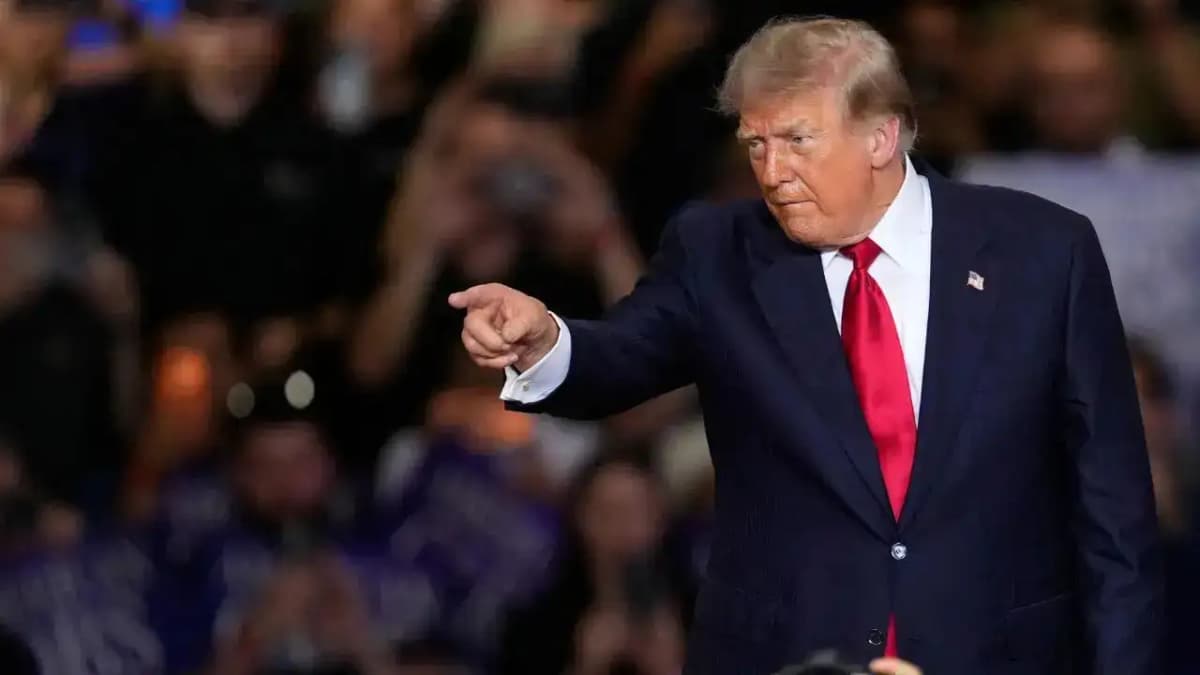
In a bold response to recent hostilities, president donald trump declared on wednesday that the united states would retaliate decisively against iran after the
In a bold response to recent hostilities, President Donald Trump declared on Wednesday that the United States would retaliate decisively against Iran after the country launched a ballistic missile assault targeting American military bases in the Middle East. This missile strike, described by U.S. officials as unexpected, prompted Trump to express his readiness to take aggressive action. During an interview with Fox News, he made it clear that Iran should brace itself for severe consequences, stating, "We’ll be hitting them hard. They’re going to get a beating." His remarks came shortly after the U.S. Central Command confirmed that missiles fired by Iran's Islamic Revolutionary Guard Corps (IRGC) were aimed at U.S. installations in the region. Fortunately, these missiles were intercepted before they could inflict any damage, highlighting the precariousness of the situation. Trump emphasized the urgency of the response, noting that U.S. forces had mere minutes to intercept the incoming threats, illustrating how close the conflict came to escalating into a more serious confrontation.
The context of Trump's statements is crucial, as they followed coordinated airstrikes by the U.S. and Saudi Arabia against Iranian-backed militant factions in Iraq, which were a direct response to earlier drone attacks attributed to Iran. This sequence of events underscores the rising tensions in the region, with both sides engaging in a tit-for-tat exchange of military actions. Despite the aggressive tone of his comments, Trump also hinted at the possibility of maintaining diplomatic channels with Tehran. He assured that discussions would persist, indicating a willingness to keep lines of communication open. "Let them keep talking," he remarked, suggesting that while military readiness is paramount, the door for dialogue remains ajar. This dual approach reflects a complex strategy of deterrence coupled with diplomacy, as the U.S. navigates the volatile landscape of Middle Eastern geopolitics.