


Protests Erupt in Libya Over Severe Electricity Blackouts Amid Heatwave
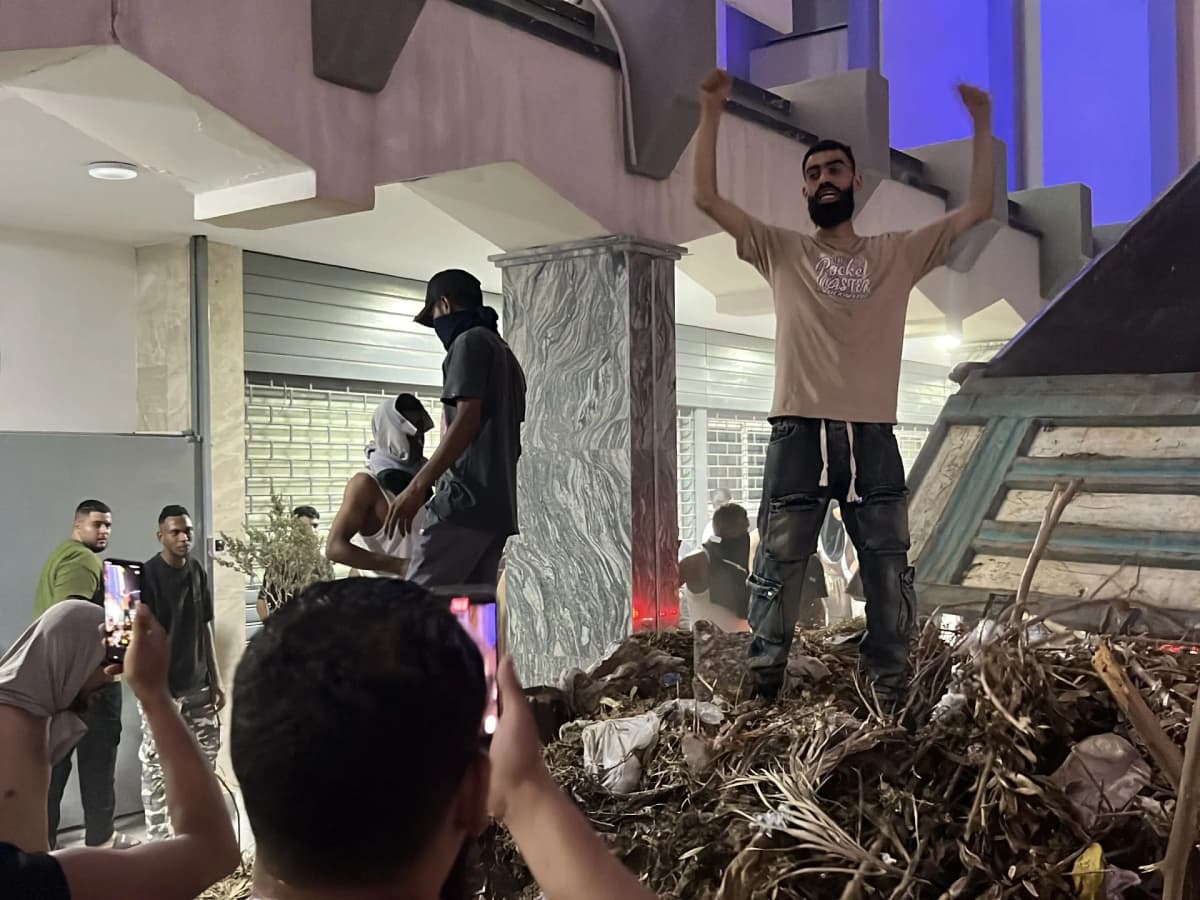
In libya, the onset of night no longer signifies the end of the day but rather the beginning of a struggle against darkness, as many neighborhoods are left with
In Libya, the onset of night no longer signifies the end of the day but rather the beginning of a struggle against darkness, as many neighborhoods are left without electricity. The persistent power outages, exacerbated by a relentless heatwave pushing temperatures beyond 48 degrees Celsius (118 degrees Fahrenheit), have sparked a wave of protests in the capital, Tripoli, and its surrounding areas. Citizens, particularly the youth, are expressing their frustration over daily blackouts that can last up to ten hours, leading to civil disobedience actions that include road blockades, burning tires, and protests outside government buildings. The demonstrators are demanding accountability for the ongoing energy crisis and calling for the dissolution of the current political structures, which they believe are failing to address the needs of the populace.
The protests have been organized by the Souq Al-Jumaa Movement, with support from activists in neighborhoods like Tajoura and Janzour. Their goal is to bring the Government of National Unity (GNU) to a standstill in response to the deteriorating state of essential services. The situation escalated further when a group of protesters stormed the Mellitah oil and gas complex, prompting the National Oil Corporation (NOC) to suspend operations at key oilfields, including El Feel and Wafa. This disruption has had a significant impact on gas supplies necessary for electricity generation, leading to the shutdown of multiple power generation units. Although the GNU managed to regain control of the complex and resume gas pumping, the fragility of Libya's energy infrastructure remains a pressing concern.