









Sawan 2026: Unraveling the Origins of the Kanwar Yatra

The auspicious month of sawan has commenced, marking the beginning of one of the most significant religious observances in india: the kanwar yatra. this pilgrim
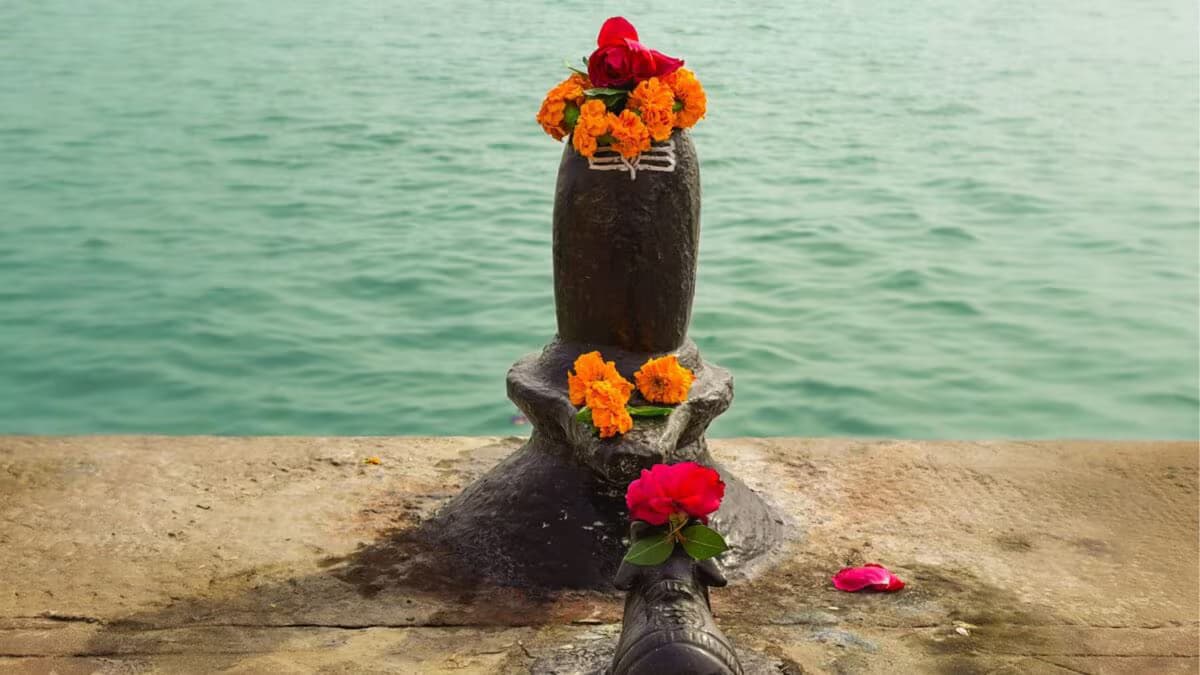
The auspicious month of Sawan has commenced, marking the beginning of one of the most significant religious observances in India: the Kanwar Yatra. This pilgrimage, dedicated to Lord Shiva, attracts millions of devotees who embark on lengthy journeys, often covering vast distances on foot. Each devotee carries a kanwar, which is essentially a decorated bamboo pole with two pots attached at either end, filled with holy water collected from sacred rivers. The Kanwar Yatra is not just a physical journey; it is a spiritual quest that embodies devotion and reverence towards Lord Shiva, particularly through the ritual of jalabhishek, where the water is offered to the deity as a form of worship.
The origins of the Kanwar Yatra are deeply rooted in Hindu mythology, particularly the tale of Samudra Manthan, or the churning of the ocean. According to ancient texts, during the month of Sawan, the gods and demons collaborated to churn the cosmic ocean in search of the elixir of immortality, known as amrit. However, before the amrit could surface, a potent poison named halahal emerged, threatening to annihilate the universe. In a selfless act, Lord Shiva consumed the poison to protect creation, which resulted in his throat turning blue, earning him the name Neelkanth. To alleviate his suffering, the gods offered him water, which is why devotees today carry water from sacred rivers to offer to Lord Shiva during this holy month. This ritual not only symbolizes the cooling of the deity's throat but also serves as a reminder of the sacrifices made by Lord Shiva for the welfare of the universe.