










Pakistan's Major Military Restructuring Places Nuclear Command Under New Leadership
In a significant shift within its defense structure, pakistan has embarked on a comprehensive overhaul of its military framework, establishing the national stra
In a significant shift within its defense structure, Pakistan has embarked on a comprehensive overhaul of its military framework, establishing the National Strategic Command (NSC) through recent legislative changes. This newly created body will take charge of the nation’s strategic assets, including its nuclear arsenal, consolidating authority under a singular military command. This transformation marks a departure from the previously established civilian-led National Command Authority (NCA), which means that the oversight from the Prime Minister will now be limited to an informational role rather than an operational one. This move is seen as a strategic effort to streamline military operations and enhance the effectiveness of Pakistan's defense capabilities.
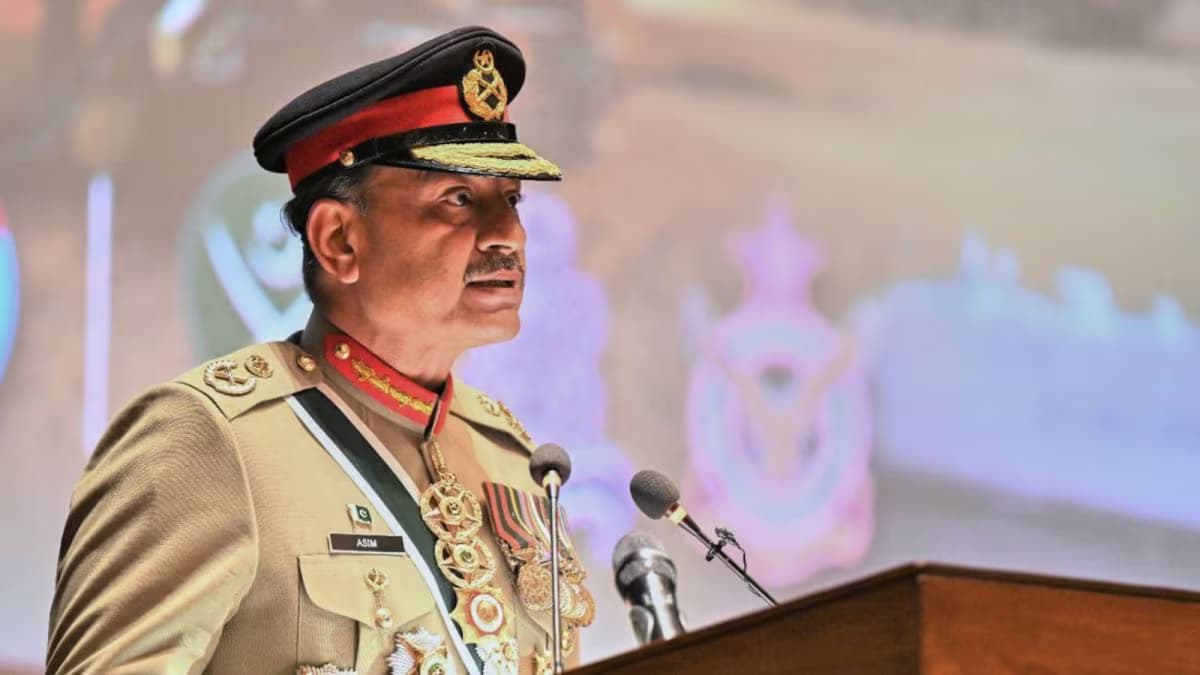
The driving force behind this reorganization is Field Marshal Syed Asim Munir, who serves as both the Chief of Defence Forces (CDF) and the Chief of the Army Staff (COAS). As part of this restructuring, Lieutenant General Syed Aamer Raza has been promoted to the rank of four-star General and appointed as the first Commander of the National Strategic Command. This elevation is significant as it reflects the military's intent to fortify its command structure and operational readiness. The NSC's operational framework is notably influenced by the organizational structure of China’s People’s Liberation Army, particularly the operational methodologies of the PLA Rocket Force. The NSC will work closely with the Strategic Plans Division (SPD) to manage nuclear stockpiles, missile systems, and the development of delivery mechanisms, all under a unified command.