Ayatollah mojtaba khamenei, who has recently ascended to the role of supreme leader of iran, is perceived by u.s. intelligence as being significantly more eager
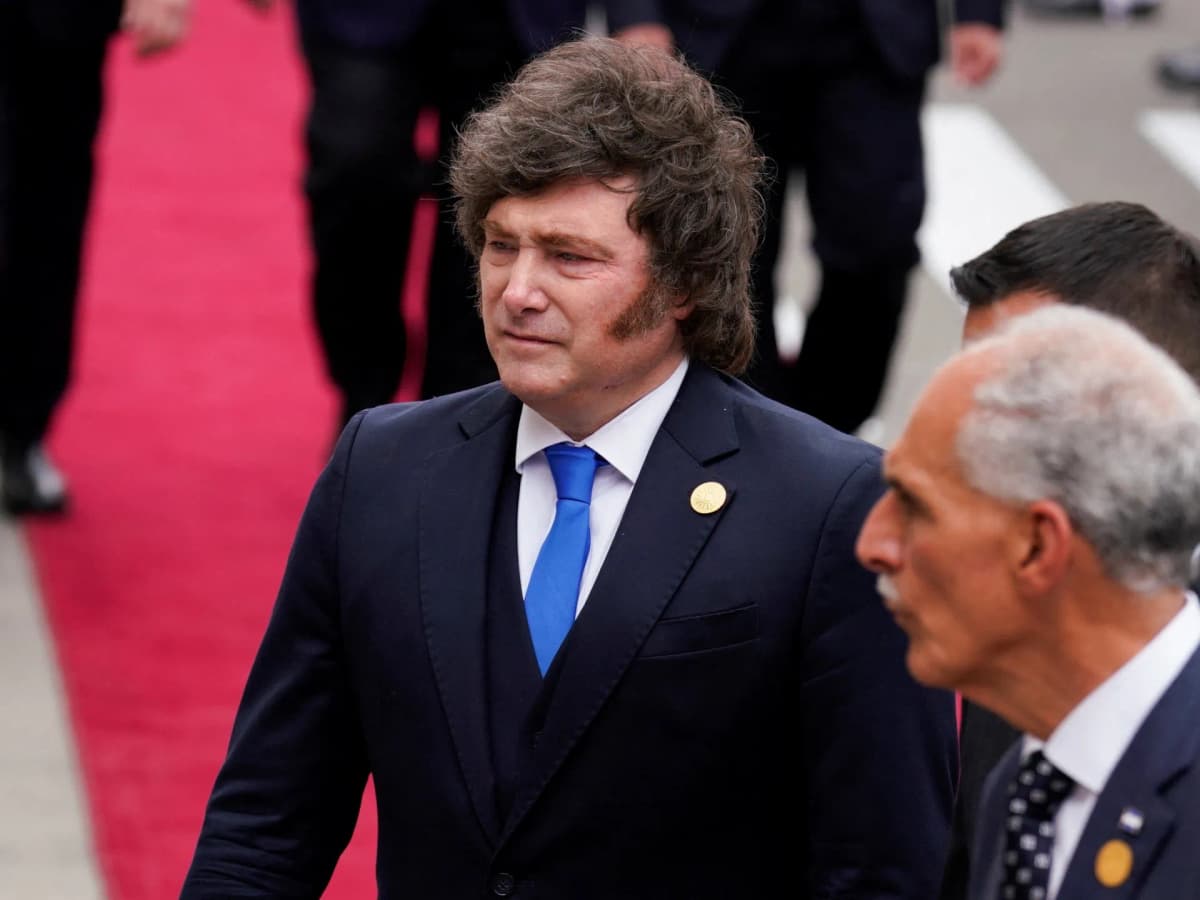
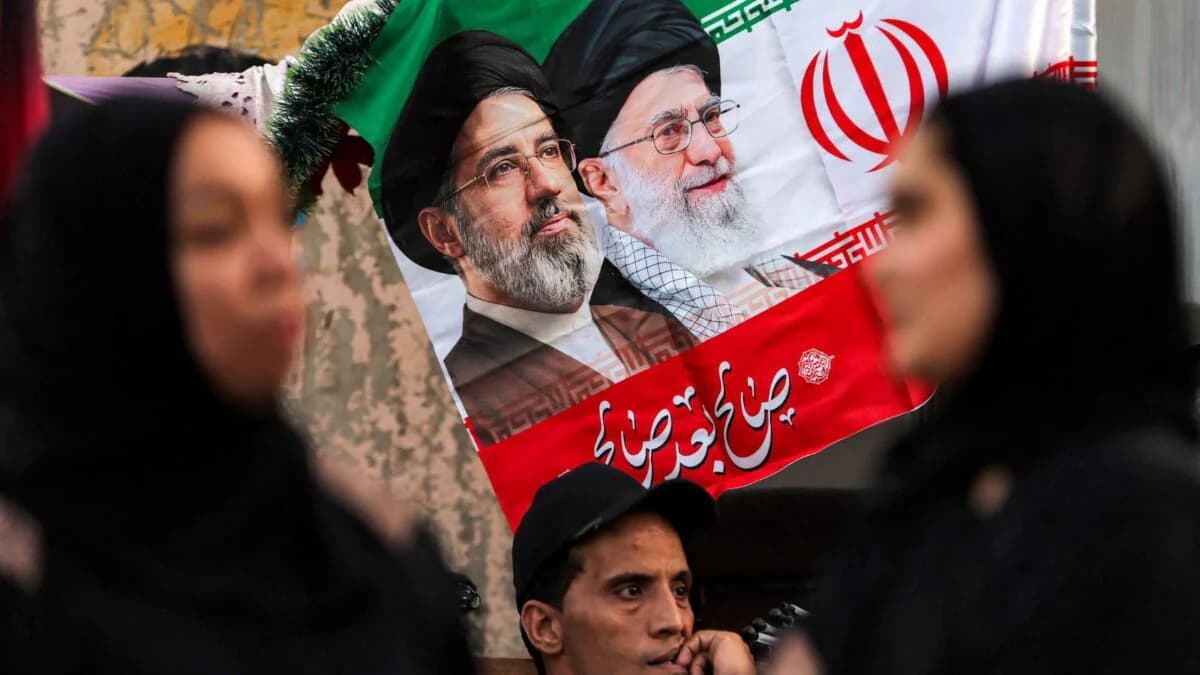
Ayatollah Mojtaba Khamenei, who has recently ascended to the role of Supreme Leader of Iran, is perceived by U.S. intelligence as being significantly more eager than his father, Ali Khamenei, to pursue the development of nuclear weapons. This assessment comes in the wake of a violent conflict that erupted following the assassination of Ali Khamenei during a coordinated U.S.-Israeli military operation on February 28. While the elder Khamenei had long been an advocate for nuclear armament, American officials noted that he exhibited a degree of caution regarding its actual development, as reported by the New York Times. In contrast, Mojtaba Khamenei, who has largely remained out of the public eye since the onset of the conflict, is believed to be more aligned with hardline factions within the Iranian government that have gained influence amid the turmoil, and they appear to be more committed to advancing Iran's nuclear capabilities.
The current Iranian administration has demonstrated a more confrontational stance towards the United States, complicating diplomatic negotiations and asserting tighter control over strategic waterways such as the Strait of Hormuz, a critical area for international shipping and military operations. The long-standing tension between Washington and Tehran over Iran's nuclear ambitions has intensified, particularly following the collapse of the 2015 nuclear agreement, which was established during Barack Obama's presidency. According to the New York Times, much of the intelligence regarding Mojtaba Khamenei's stance on nuclear weapons predates the recent military strikes. He sustained serious injuries in the attack that claimed his father's life, which has limited his public engagements and communications. Reports suggest that he may have suffered disfigurement, prompting him to avoid appearances in light of increased security risks.

Mojtaba Khamenei, now 56 years old, notably chose to remain absent from his father's extensive funeral, which attracted significant attention and attendance from around the globe. Although he holds the title of Supreme Leader, his authority does not match the absolute power wielded by his father, who governed Iran for nearly four decades. In the aftermath of the U.S. strikes targeting critical Iranian nuclear facilities, including Natanz, Fordow, and Isfahan in June 2025, Iran has reportedly taken steps to safeguard its nuclear assets. American intelligence indicates that some of Iran's centrifuges have been relocated to a heavily fortified underground site known as Pickaxe Mountain. As tensions continue to escalate in West Asia following the breakdown of ceasefire agreements between the U.S. and Iran, both nations have ramped up military actions, further jeopardizing the prospects for stability and peace in the region.
Tragic Accident in Telangana: Man Killed by Speeding Car Captured on CCTV
Saudi Arabia's Role in Escalating Conflict in Iran Raises Concerns
UN Begins Search for New Secretary-General Amid Global Challenges
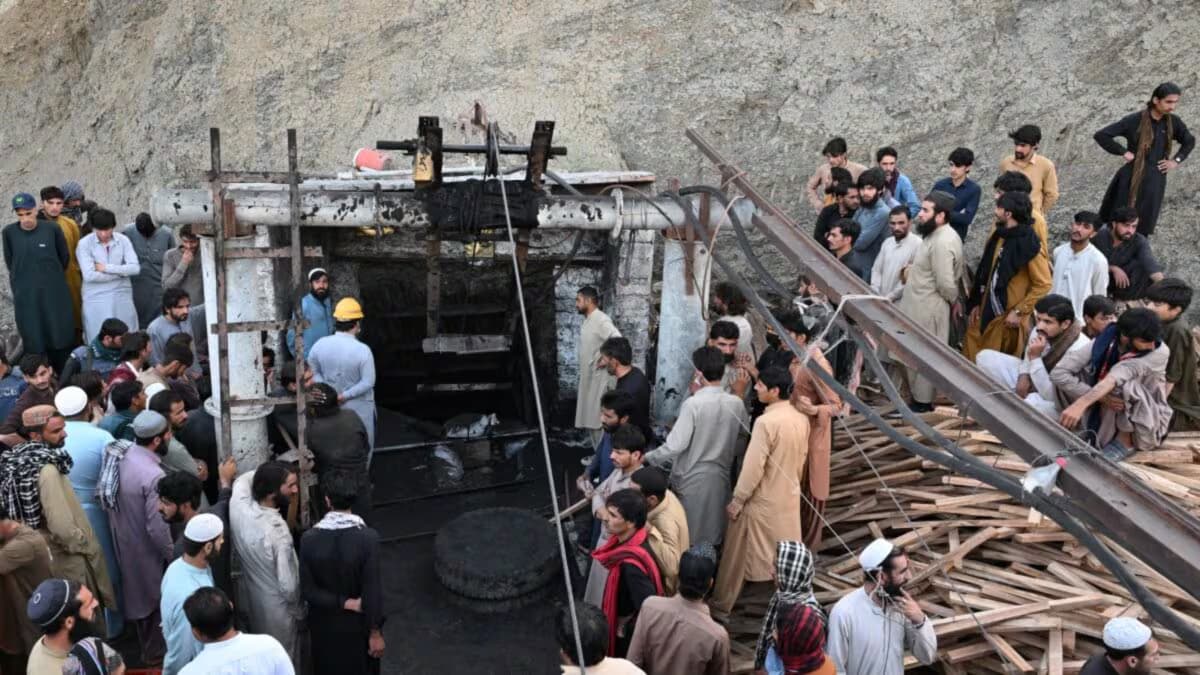
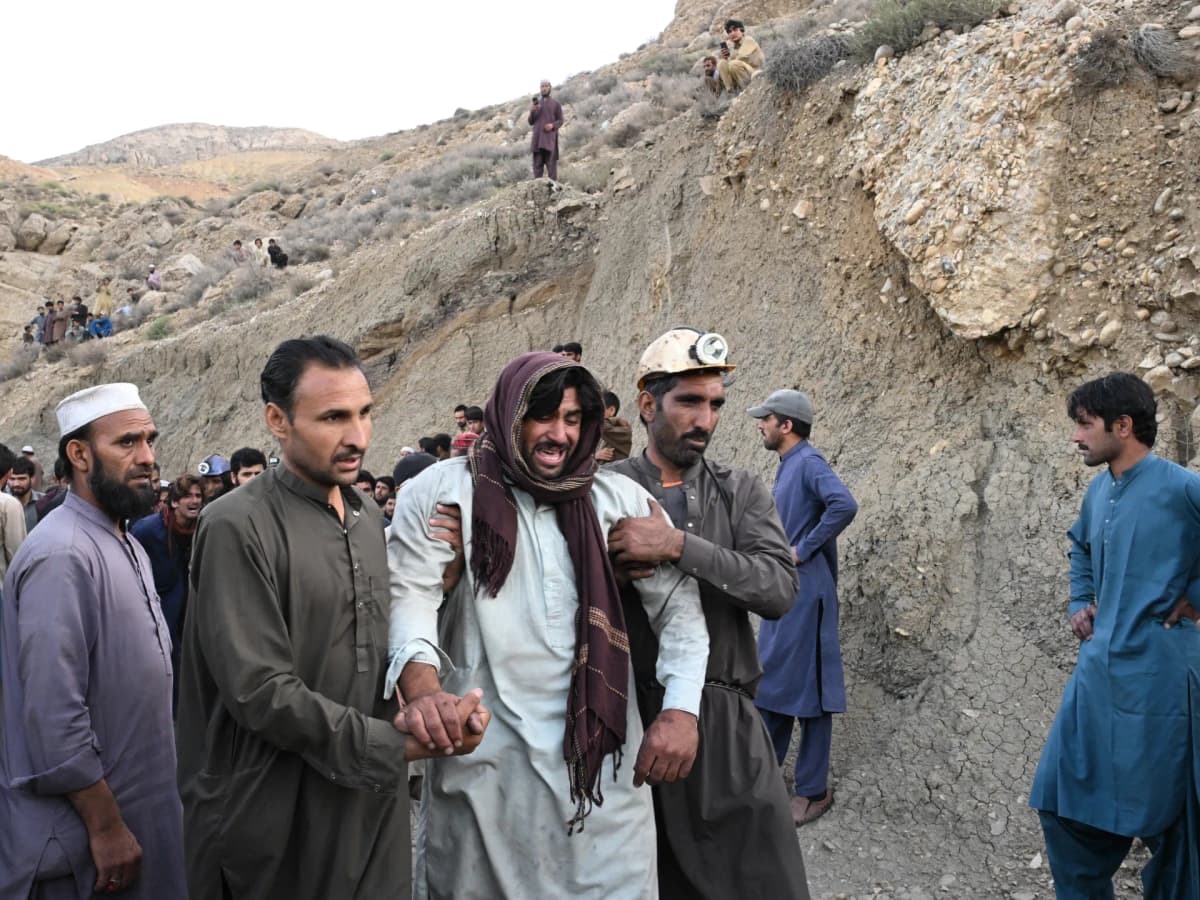
Tragic Methane Explosion Claims Lives of Miners in Pakistan
US Investigates Cyberattack on Minnesota Water Systems Amid Rising Tensions
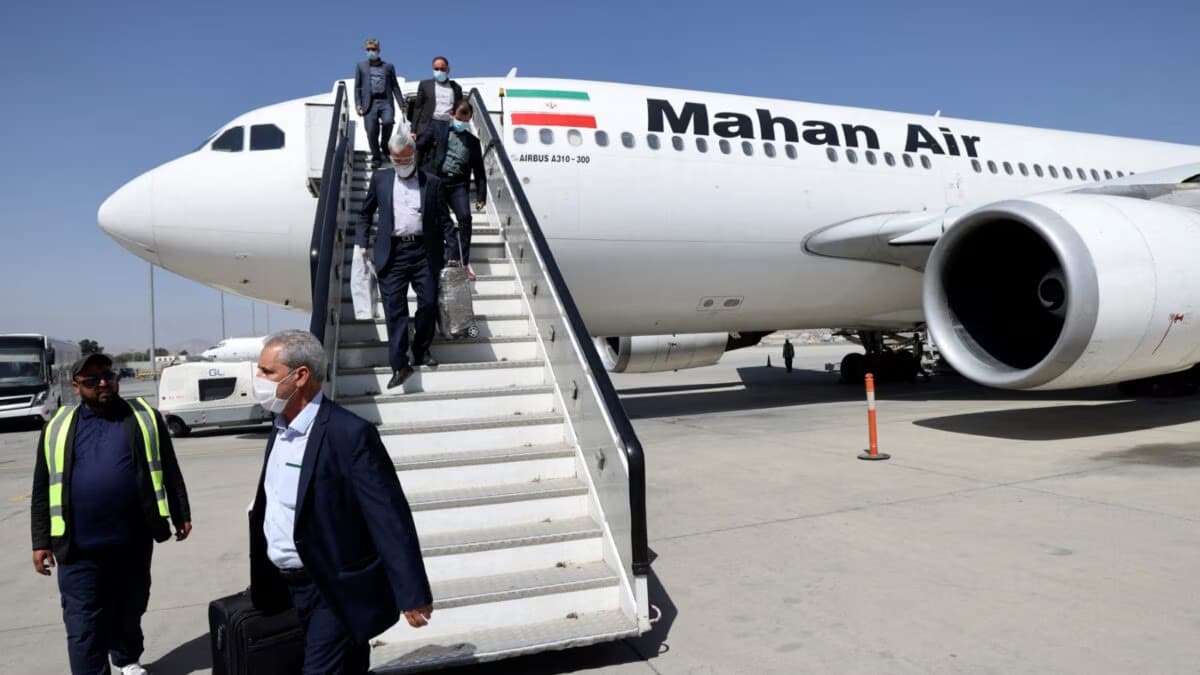
US Imposes New Sanctions on Iran's Mahan Air Network Targeting Global Entities
Tragic Coal Mine Blast in Pakistan Claims Lives of 11 Miners
Saudi Arabia Forms Maritime Coalition to Protect Key Waterways
Ebola Outbreak in Congo Claims Over 1,500 Lives Amid Ongoing Struggles
UN Urges Uganda to Halt Crackdown on Dissent and Opposition
Netanyahu Clarifies Stance on US-Israel Relations After Talks with Vance