




India's New Hub-and-Spoke Model Simplifies International Travel from Smaller Cities
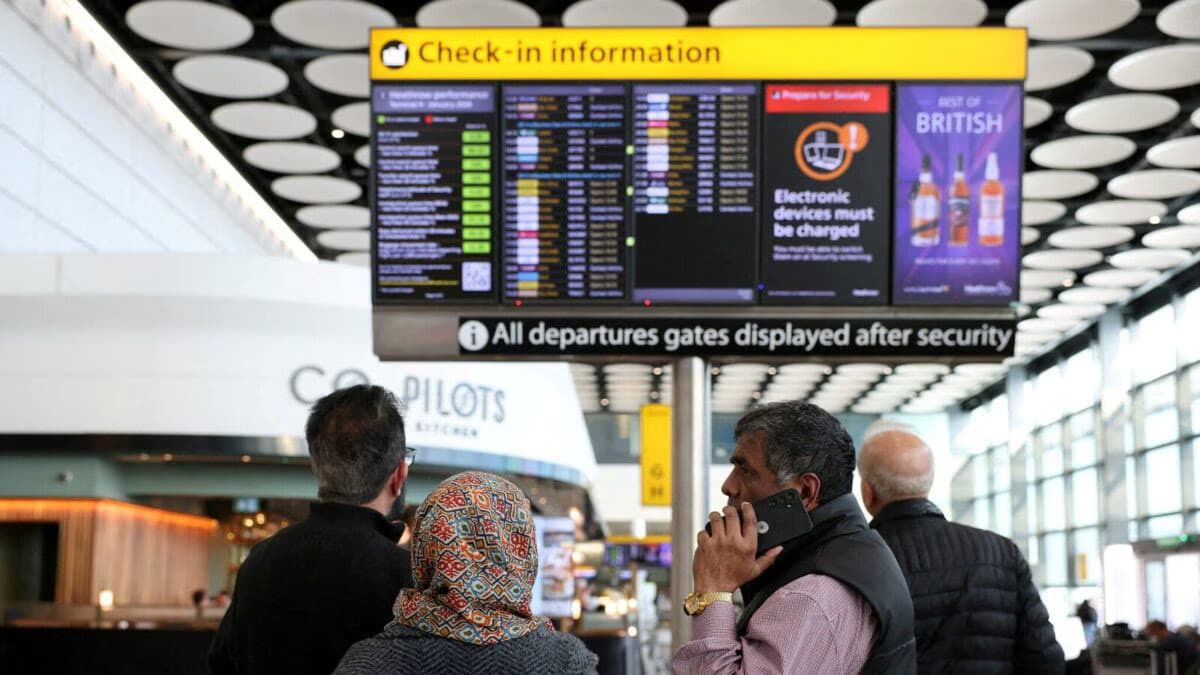
International travel from india's smaller cities has long been a cumbersome process, often requiring multiple check-ins, terminal changes, and lengthy layovers
International travel from India's smaller cities has long been a cumbersome process, often requiring multiple check-ins, terminal changes, and lengthy layovers at major airports. However, a significant transformation is underway with the introduction of the Hub-and-Spoke aviation model, a collaborative initiative between the government and Air India aimed at streamlining overseas travel from Tier-II and Tier-III cities. This new approach is designed to enhance the travel experience, making it quicker, more efficient, and less stressful for passengers.
The initiative took a notable step forward recently when Amritsar was designated as the second spoke airport, following Varanasi, to join this innovative network. Currently, Delhi serves as the sole hub airport in India, but plans are in place for the model to expand across the nation, ultimately positioning India as a significant player in the global aviation landscape. The Hub-and-Spoke model can be visualized as a bicycle wheel, where the hub represents Delhi airport and the spokes symbolize smaller airports like Amritsar and Varanasi. Traditionally, travelers from these smaller cities had to navigate through Delhi, repeating airport procedures such as check-ins and immigration, which added unnecessary stress and time to their journeys. The new model aims to alleviate these burdens by allowing eligible passengers to complete most of their travel formalities at their departure airport.