








China Achieves Milestone in Artificial Sun Project with New Magnet
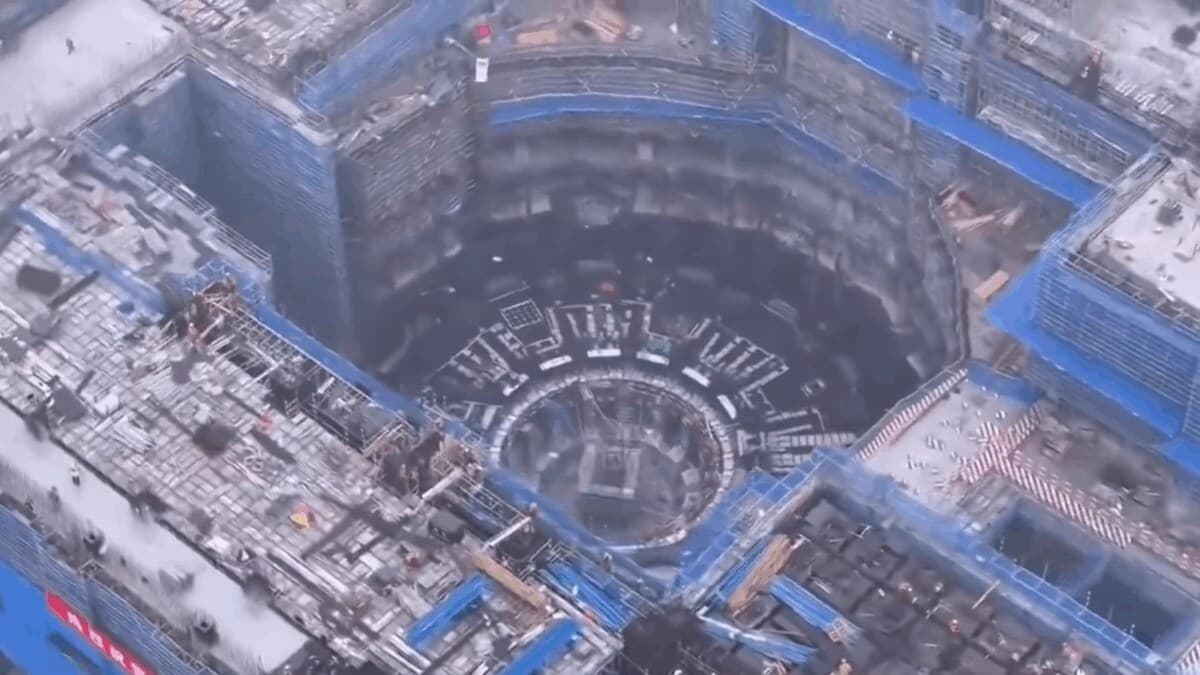
China has made significant strides in its quest to create an artificial sun, having successfully completed the testing of the world's largest superconducting fu
China has made significant strides in its quest to create an artificial Sun, having successfully completed the testing of the world's largest superconducting fusion magnet. This groundbreaking development is a crucial step towards harnessing clean and virtually limitless energy through the process of nuclear fusion. The ambitious project aligns with Beijing's goal of generating electricity from fusion power by the year 2030, marking a pivotal moment in the nation's energy strategy. The superconducting magnet, developed by the Institute of Plasma Physics under the Chinese Academy of Sciences, represents a remarkable engineering achievement in the field of magnetic confinement fusion.
The newly constructed magnet features a D-shaped design, measuring an impressive 21 meters in length and 12 meters in width, with a total weight of 582 tonnes. This scale of engineering is unprecedented, particularly for magnetic confinement fusion applications. Researchers highlight that this magnet possesses 1.3 times the volume and three times the energy storage capacity compared to similar magnets created for the International Thermonuclear Experimental Reactor (ITER), which is recognized as the largest fusion project globally. As such, it stands out as the most significant superconducting magnet ever built for fusion reactors, showcasing China's advancing capabilities in this cutting-edge technology.