



Modi Embraces Digital Strategy to Engage Gen Z Voters
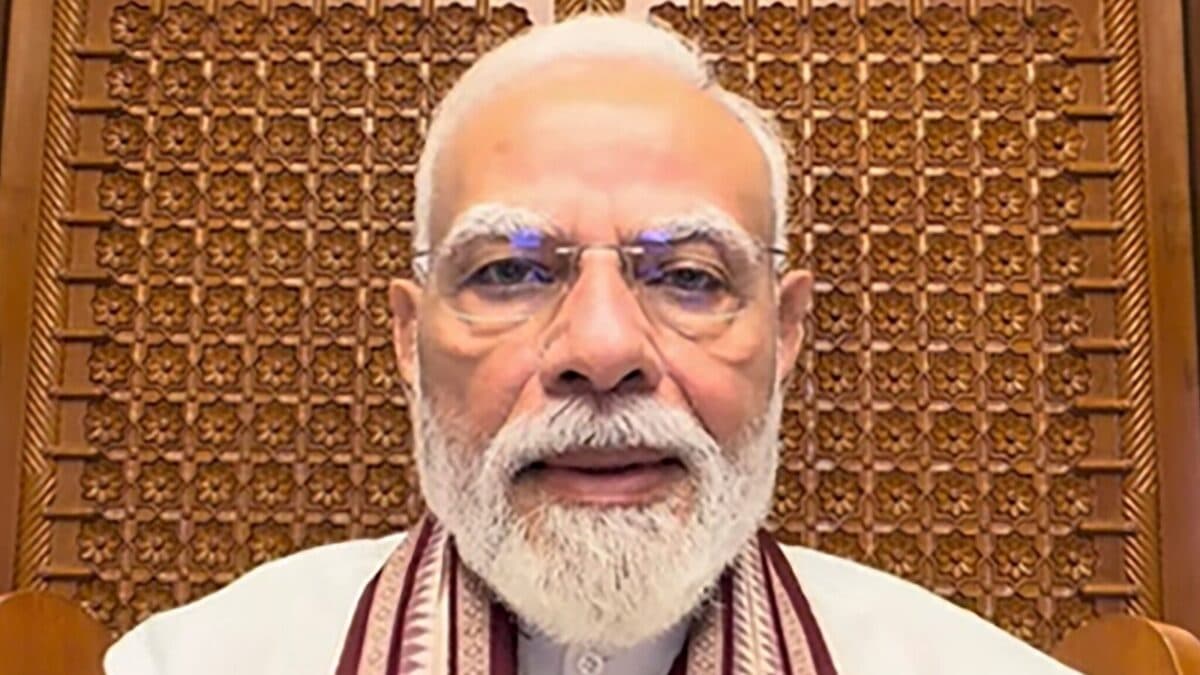
For many years, the standard approach to political communication in india was characterized by a sense of formality, polished studio lighting, and a build-up of
For many years, the standard approach to political communication in India was characterized by a sense of formality, polished studio lighting, and a build-up of anticipation from the public. When the Prime Minister addressed the nation, it was usually through a meticulously crafted televised announcement, typically scheduled for around 8 or 8:30 PM. This format was particularly evident during significant events, such as the 2016 demonetization announcement and the addresses made during the COVID-19 pandemic, where the formal atmosphere and authoritative delivery captured the attention of millions who gathered around their television sets.
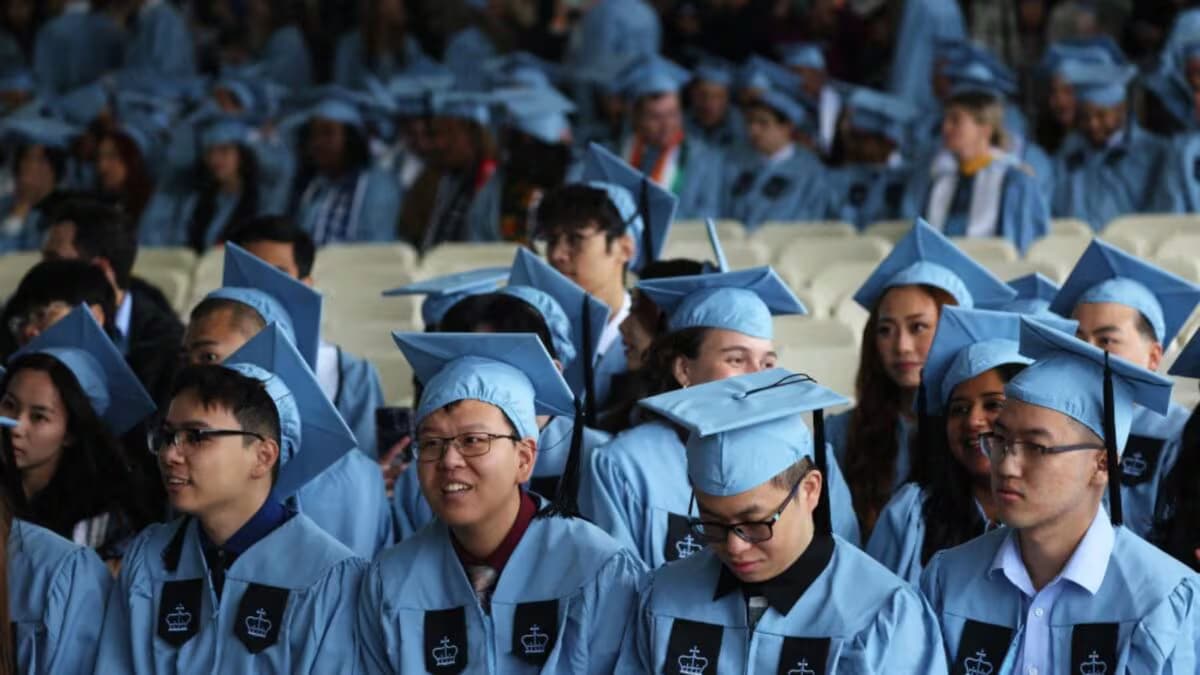
However, the landscape of media consumption has undergone a profound transformation. The demographic that political strategists are now keen to engage—Generation Z—does not engage with traditional 8 PM television broadcasts. Instead, they prefer to consume information through quick, 15-second vertical video clips, dynamic visual storytelling, and content that is curated by algorithms on their social media feeds. This shift in media consumption habits has prompted a reevaluation of how political messages are delivered to resonate with younger audiences.